
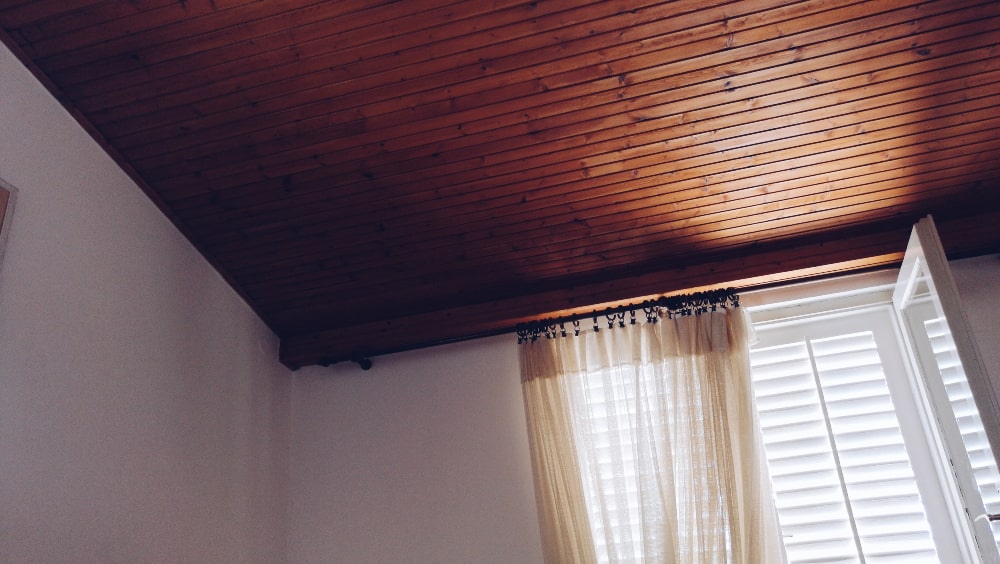
Ceilings shape our interior spaces in profound ways, influencing everything from the atmosphere and lighting quality to acoustics and temperature regulation. From the iconic sails of the Sydney Opera House to the humble plasterboard in residential homes, ceiling materials play a critical role in defining the character and functionality of a space.
When selecting ceiling materials for your Australian home or commercial property, the decision extends far beyond aesthetics. The right ceiling material can improve energy efficiency, enhance acoustic performance, provide fire resistance, and even contribute to better indoor air quality. Conversely, a poor choice can lead to moisture problems, thermal inefficiency, and costly maintenance issues down the track.
Understanding the various types of ceiling materials available, their benefits, and their limitations is essential for making an informed decision. Whether you are building a new home, renovating an existing property, or simply exploring options for a single room, this comprehensive guide will help you navigate the choices and select the ceiling material best suited to your needs.
The ceiling is often called the fifth wall of a room. Choosing the right material can transform a space from ordinary to extraordinary while providing practical benefits for years to come.
Drywall Ceiling
Drywall, also known as plasterboard or gypsum board, is the most commonly used ceiling material in Australian homes. This versatile material consists of a gypsum core sandwiched between two layers of heavy paper, creating a smooth, paintable surface that suits a wide range of interior styles.
The popularity of drywall stems from its cost effectiveness and ease of installation. Professional installers can cover large areas relatively quickly, making it an economical choice for both new construction and renovation projects. The material is readily available at building supply stores throughout Australia, ensuring consistent pricing and easy sourcing.
Benefits of Drywall Ceilings
- Budget friendly: Drywall is one of the most affordable ceiling materials available, making it accessible for projects of all sizes
- Sound insulation: When combined with insulation batts, drywall provides effective acoustic separation between floors
- Versatile aesthetics: The smooth surface can be painted any colour, textured, or finished with decorative treatments
- Fire resistance: Standard drywall provides a degree of fire resistance, with specialised fire-rated options available for enhanced protection
- Easy repairs: Damaged sections can be patched or replaced without affecting the entire ceiling
Considerations for Drywall
While drywall offers numerous advantages, it is not suitable for all applications. Bathrooms, laundries, and other moisture-prone areas require moisture-resistant variants to prevent water damage and mould growth. Standard drywall can sag or deteriorate when exposed to humidity over extended periods.
Installation quality is crucial for achieving a professional finish. Poorly installed drywall can show visible joints, nail pops, or cracks, particularly in homes subject to settlement or movement. Engaging qualified tradespeople and using proper jointing compounds helps ensure a lasting result.
Plaster Ceiling
Plaster ceilings represent a traditional craftsmanship approach that has been used in Australian homes for over a century. Unlike drywall, which comes in prefabricated sheets, plaster is applied wet and hardens to create a seamless, monolithic surface that exudes elegance and refinement.
The appeal of plaster lies in its ability to create intricate designs, ornamental details, and decorative features that simply cannot be achieved with sheet materials. From Federation-era homes with elaborate ceiling roses and cornices to contemporary spaces with smooth, flowing curves, plaster offers unmatched design flexibility.
Benefits of Plaster Ceilings
- Seamless elegance: Plaster creates a unified surface without visible joints or seams
- Durability: When properly maintained, plaster ceilings can last for decades without significant degradation
- Fire resistance: Plaster provides excellent fire resistance, helping to slow the spread of flames
- Acoustic performance: The density of plaster contributes to effective sound dampening
- Design flexibility: Skilled plasterers can create intricate mouldings, ceiling roses, and decorative patterns
- Heritage value: Ornate plaster ceilings can significantly increase property value in period homes
Types of Plaster Finishes
Modern plaster ceilings can incorporate various finishes to suit different aesthetic preferences and functional requirements:
- Smooth finish: A perfectly level surface ideal for contemporary minimalist interiors
- Textured finish: Various textures including stipple, swirl, or knockdown patterns
- Ornamental plasterwork: Decorative cornices, ceiling roses, and mouldings for heritage restoration or period-style homes
- Coffered plaster: Recessed panels that add architectural interest and visual depth
Maintenance and Repair
Plaster ceilings require careful maintenance to preserve their appearance and structural integrity. Hairline cracks may develop over time due to building movement or temperature fluctuations. These can typically be filled and repainted by a skilled tradesperson.
More significant damage, such as sagging or water damage, requires professional assessment. Older plaster ceilings may be attached with traditional lime-based methods that differ from modern techniques, necessitating specialist restoration work to maintain heritage integrity.
Wood Ceiling
Wood ceilings bring natural warmth and character to interior spaces, creating an inviting atmosphere that synthetic materials struggle to replicate. The organic grain patterns, varied tones, and tactile qualities of timber make wood ceilings a popular choice for Australian homes seeking a connection to nature.
From rustic beach houses featuring weathered boards to sophisticated urban apartments with sleek timber panels, wood ceilings offer remarkable versatility in design. The material works equally well in traditional and contemporary settings, adapting to various architectural styles with appropriate selection and finishing.
Popular Wood Species for Ceilings
- Blackbutt: An Australian hardwood with a pale blonde colour and subtle grain, ideal for modern interiors
- Spotted Gum: Features distinctive markings and warm brown tones, providing visual interest
- Western Red Cedar: Lightweight with natural insect resistance, popular for its aromatic qualities
- Pine: An affordable softwood option that can be stained or painted to achieve various looks
- Mahogany: Rich, deep tones and fine grain for a luxurious appearance
- Tasmanian Oak: Versatile Australian hardwood with warm honey tones
Benefits of Wood Ceilings
- Natural warmth: Timber creates an inviting, comfortable atmosphere in any room
- Acoustic benefits: Wood absorbs and diffuses sound, improving room acoustics and reducing echo
- Environmental sustainability: When sourced from certified sustainable forests, wood is a renewable resource with lower embodied energy than many alternatives
- Thermal performance: Wood has natural insulating properties that can contribute to energy efficiency
- Unique character: Each piece of timber is unique, adding individuality to your space
- Longevity: Quality timber ceilings can last for generations with proper maintenance
Installation Options
Wood ceilings can be installed in several configurations:
- Tongue and groove: Interlocking boards that create a continuous surface with minimal visible fasteners
- Plank systems: Individual boards fixed directly to joists or battens
- Panel systems: Prefabricated panels for faster installation
- Slatted designs: Spaced timber battens that allow glimpses of the structure above, creating visual depth
Metal Ceiling
Metal ceilings have experienced a resurgence in popularity, moving beyond their traditional role in commercial buildings to become a sought-after feature in residential properties. The durability, fire resistance, and distinctive aesthetic of metal make it an attractive option for homeowners seeking something beyond conventional ceiling materials.
In Australia, pressed metal ceilings hold particular heritage significance. Many Victorian and Federation-era buildings feature ornate pressed tin or steel ceilings that have survived for over a century. Today, both reproduction heritage patterns and contemporary metal ceiling designs are available to suit various architectural styles.
Types of Metal Ceiling Materials
- Pressed tin: Traditional decorative panels with intricate embossed patterns, ideal for heritage restoration
- Aluminium: Lightweight and corrosion resistant, suitable for coastal environments and wet areas
- Steel: Durable and economical, available in various finishes including galvanised and powder coated
- Copper: Premium material that develops a distinctive patina over time
- Zinc: Excellent corrosion resistance with a contemporary industrial aesthetic
Benefits of Metal Ceilings
- Corrosion resistance: Properly finished metal ceilings resist moisture damage in humid environments
- Fire safety: Metal is non-combustible, providing enhanced fire protection
- Light reflection: Polished or light-coloured metal surfaces reflect light, enhancing room brightness
- Minimal maintenance: Metal ceilings require little ongoing care beyond occasional cleaning
- Durability: Resistant to cracking, warping, and pest damage
- Recyclability: Metal ceiling materials can be recycled at the end of their service life
Design Considerations
Metal ceilings work particularly well in industrial-style interiors, commercial spaces, and contemporary homes seeking a distinctive aesthetic. In heritage properties, reproduction pressed metal panels can restore original features or add period-appropriate character.
Acoustic performance varies depending on the metal type and installation method. Perforated metal panels with acoustic backing can provide excellent sound absorption, while solid metal surfaces may require additional acoustic treatment to prevent sound reflection.
Tile Ceilings
Ceiling tiles offer a practical solution for spaces requiring easy access to services, moisture resistance, or specific acoustic properties. Available in a diverse range of materials and designs, ceiling tiles can suit applications from residential bathrooms to commercial office environments.
The modular nature of tile ceilings allows for straightforward installation and simple replacement of damaged sections. This makes them particularly popular in areas where regular maintenance access is required or where water damage might necessitate occasional panel replacement.
Types of Ceiling Tiles
- Ceramic tiles: Water-resistant and easy to clean, ideal for bathrooms, kitchens, and laundries
- Mineral fibre tiles: Excellent acoustic properties, commonly used in commercial and office settings
- PVC tiles: Lightweight, moisture-resistant, and available in various colours and patterns
- Tin tiles: Decorative metal tiles that add character and reflect light
- Fibreglass tiles: Good thermal and acoustic insulation properties
- Gypsum tiles: Fire-resistant and paintable for a seamless appearance
Benefits of Tile Ceilings
- Water resistance: Many tile types are specifically designed for moisture-prone areas
- Easy maintenance: Individual tiles can be cleaned or replaced without affecting the entire ceiling
- Design variety: Available in numerous colours, patterns, and textures to suit any interior
- Service access: Drop-in tile systems allow easy access to electrical, plumbing, and HVAC services
- Acoustic control: Specialised acoustic tiles can significantly reduce noise transmission
- Fire rating: Many tile types meet fire safety requirements for commercial buildings
Installation Methods
Ceiling tiles can be installed using various methods depending on the application and desired appearance:
- Suspended grid system: Tiles drop into a visible metal grid framework
- Concealed grid system: The supporting framework is hidden for a cleaner appearance
- Direct fix: Tiles are adhered or mechanically fixed directly to the ceiling substrate
- Clip-in systems: Tiles clip into concealed tracks for easy removal and replacement
Suspended Ceilings
Suspended ceilings, also known as drop ceilings or false ceilings, create a secondary ceiling surface below the structural ceiling. This system consists of a metal grid suspended from the building structure, with panels or tiles filling the grid openings.
The space between the suspended ceiling and the structure above, known as the plenum, provides a convenient zone for routing electrical cables, plumbing, air conditioning ducts, and other building services. This hidden infrastructure area simplifies both initial installation and future modifications or repairs.
Benefits of Suspended Ceilings
- Conceals infrastructure: Hides unsightly pipes, wiring, and ductwork from view
- Easy service access: Panels can be lifted to access building services for maintenance or modifications
- Acoustic benefits: The air gap and acoustic panels significantly reduce noise transmission
- Energy efficiency: Reducing ceiling height can lower heating and cooling costs
- Lighting integration: Easy installation of recessed lighting, LED panels, and light diffusers
- Quick installation: Suspended systems can be installed faster than many fixed ceiling types
Applications
Suspended ceilings are commonly used in commercial buildings, offices, retail spaces, and healthcare facilities. However, they are increasingly finding applications in residential settings, particularly in:
- Home offices and media rooms requiring acoustic treatment
- Basement renovations where services need to remain accessible
- Older homes where the structural ceiling is damaged or unattractive
- Spaces requiring integrated lighting solutions
Design Considerations
While traditional suspended ceilings with visible grids have a distinctly commercial appearance, modern systems offer sleeker alternatives. Concealed grid systems, linear panel designs, and custom finishes can create a more sophisticated look suitable for residential applications.
Ceiling height is an important consideration. Suspended ceilings typically require a minimum drop of 100mm to 150mm below the structure, which may not be feasible in rooms with limited headroom. Building codes specify minimum ceiling heights that must be maintained.
Beamed Ceilings
Beamed ceilings add architectural interest and visual drama to interior spaces. Whether featuring genuine structural timbers or decorative false beams, this ceiling style creates a sense of height, character, and craftsmanship that flat ceilings simply cannot match.
In Australian homes, beamed ceilings are particularly popular in living areas, kitchens, and outdoor entertaining spaces. The style suits various architectural approaches, from rustic farmhouse aesthetics to refined contemporary designs with clean-lined timber elements.
Types of Beamed Ceilings
- Exposed structural beams: Genuine load-bearing timbers that form part of the building structure
- Decorative solid beams: Non-structural solid timber beams added for aesthetic purposes
- Hollow box beams: Lightweight hollow constructions that provide the appearance of solid beams
- Faux beams: Polyurethane or foam beams that replicate timber appearance at reduced weight and cost
- Steel beams: Industrial-style exposed steel for contemporary or loft aesthetics
Benefits of Beamed Ceilings
- Architectural interest: Creates visual depth and draws the eye upward
- Space definition: Beams can define different functional zones within open-plan spaces
- Character and warmth: Timber beams add natural warmth and personality to interiors
- Increased perceived height: Running beams can make rooms feel larger and more spacious
- Heritage appeal: Suits both period properties and contemporary homes seeking a connection to traditional craftsmanship
- Value addition: Well-executed beamed ceilings can increase property appeal and value
Design Considerations
The success of a beamed ceiling depends on appropriate scale and proportion. Beams that are too small may look flimsy, while oversized beams can overwhelm a room. The beam spacing, direction, and finish should complement the overall interior design scheme.
Colour selection significantly impacts the final appearance. Dark stained beams create contrast against light ceilings, making a bold statement. Natural or whitewashed finishes provide a softer, more casual look. The choice should consider the room's size, natural light levels, and overall colour palette.
Ceiling Material Comparison
The following table provides a quick reference guide to help compare the key characteristics of different ceiling materials:
| Material | Key Benefits | Best For | Maintenance |
|---|---|---|---|
| Drywall | Cost effective, versatile, easy repairs, fire resistant | General residential use, bedrooms, living areas | Low: occasional painting, crack repairs |
| Plaster | Seamless finish, decorative options, durable, fire resistant | Heritage homes, high-end finishes, ornate designs | Medium: periodic inspection, crack filling, specialist repairs |
| Wood | Natural warmth, acoustic benefits, sustainable, unique character | Living areas, outdoor spaces, feature rooms | Medium: periodic oiling or sealing, dust removal |
| Metal | Durable, fire safe, reflective, heritage appeal | Heritage restoration, industrial style, wet areas | Low: occasional cleaning, rust prevention in some environments |
| Tile | Water resistant, easy to replace, design variety, acoustic options | Bathrooms, kitchens, commercial spaces | Low: regular cleaning, individual tile replacement as needed |
| Suspended | Hides services, acoustic control, easy access, energy efficient | Offices, basements, media rooms, commercial buildings | Low: panel replacement, grid cleaning |
| Beamed | Architectural interest, space definition, character, value addition | Open plan living, feature rooms, high ceilings | Medium: dusting, periodic refinishing for timber |
Factors to Consider When Choosing Ceiling Materials
Selecting the right ceiling material requires careful consideration of multiple factors beyond mere appearance. The following aspects should guide your decision-making process:
Room Function
Different rooms have different requirements. Bathrooms and kitchens need moisture-resistant materials. Bedrooms benefit from acoustic performance. Living areas often prioritise aesthetics. Consider how the room will be used and what performance characteristics matter most.
Climate and Location
Australian climates vary significantly from tropical north to temperate south. Coastal properties face salt air and humidity. Properties in bushfire-prone areas may need specific fire ratings. Your local conditions should influence material selection.
Building Age and Style
Heritage properties often benefit from period-appropriate materials that complement existing architecture. Contemporary homes offer more flexibility but still require thoughtful integration with the overall design concept.
Budget Considerations
Material costs vary significantly, from budget-friendly drywall to premium hardwood timber. However, the initial purchase price is only part of the equation. Factor in installation costs, ongoing maintenance requirements, and expected lifespan to determine true value.
Acoustic Requirements
In multi-storey homes, apartments, or rooms requiring sound control, acoustic performance becomes critical. Some materials naturally absorb sound while others reflect it. Consider whether you need to prevent sound transmission between floors or reduce echo within a room.
Energy Efficiency
Ceiling materials and the cavity above can significantly impact thermal performance. In Australian climates, preventing heat gain through the ceiling is often more important than heat retention. Consider insulation options in conjunction with your ceiling material choice.
Australian Building Code Considerations
Ceiling installations in Australia must comply with the National Construction Code (NCC) and relevant Australian Standards. Key considerations include:
- Fire ratings: Certain building types and locations require fire-rated ceiling assemblies
- Minimum ceiling heights: Habitable rooms require minimum ceiling heights of 2.4 metres, with some variations allowed
- Bushfire requirements: Properties in bushfire-prone areas have specific requirements under AS 3959
- Acoustic requirements: Multi-unit dwellings have specific sound insulation requirements
- Structural adequacy: Ceiling systems must be appropriately fixed and capable of supporting their own weight plus any imposed loads
Always consult with a qualified building professional or your local council to ensure your ceiling installation meets all applicable requirements.
Frequently Asked Questions
What is the most durable ceiling material for Australian homes?
Short answer: Metal ceilings, particularly pressed tin and aluminium, offer the greatest durability, often lasting 50 years or more with minimal maintenance.
Metal ceilings resist moisture, pest damage, and fire, making them exceptionally long-lasting. Plaster ceilings in well-maintained homes have also demonstrated remarkable longevity, with many examples surviving over a century. Timber ceilings using quality hardwoods such as spotted gum or blackbutt can last generations when properly sealed and maintained. The durability of drywall and tile ceilings depends largely on environmental conditions and quality of installation.
Which ceiling material is best for wet areas like bathrooms?
Short answer: Moisture-resistant drywall, PVC tiles, or aluminium ceilings are the best options for bathrooms and other wet areas.
Standard drywall and timber are not suitable for high-humidity environments without special treatment. Moisture-resistant plasterboard, commonly called green board or wet area board, is specifically designed for bathroom ceilings. PVC ceiling tiles and panels offer excellent water resistance and easy cleaning. Aluminium ceilings resist corrosion and mould growth. Whichever material you choose, ensure adequate ventilation to reduce humidity and prevent condensation issues.
How much does it cost to install different ceiling types in Australia?
Short answer: Costs range from approximately $40 per square metre for basic drywall to over $200 per square metre for premium timber or decorative plaster ceilings.
Drywall installation typically costs between $40 and $80 per square metre including materials and labour. Suspended ceiling systems range from $60 to $120 per square metre depending on tile quality. Timber ceilings vary significantly based on species, with pine starting around $80 per square metre and premium hardwoods exceeding $150. Ornate plaster work and heritage restoration can cost considerably more. These figures are indicative only and prices vary by location, contractor, and project complexity.
What ceiling material provides the best sound insulation?
Short answer: Suspended acoustic ceiling systems and dense plaster ceilings offer the best sound insulation, particularly when combined with insulation in the ceiling cavity.
Acoustic performance depends on multiple factors including material density, mass, and installation method. Suspended ceiling systems with acoustic-rated tiles can achieve excellent sound absorption, reducing both impact and airborne noise transmission. Plaster and drywall ceilings benefit from their mass but may require additional acoustic insulation batts in the ceiling space. Timber and metal ceilings typically offer less inherent acoustic insulation but can be enhanced with acoustic underlays or backing materials.
Can I install a new ceiling over an existing ceiling?
Short answer: Yes, in many cases a new ceiling can be installed over an existing ceiling, but structural assessment is essential to ensure the framing can support the additional weight.
Installing over an existing ceiling can save time and reduce mess compared to complete removal. Lightweight options such as suspended ceilings, thin drywall, or decorative panels are most suitable for this approach. However, you must verify that ceiling joists can support the combined weight of both ceiling layers. If the existing ceiling has moisture damage, asbestos, or structural issues, removal is typically necessary. Consult a qualified builder or building inspector before proceeding.
What ceiling materials are suitable for bushfire-prone areas?
Short answer: Non-combustible materials such as fire-rated plasterboard, metal ceilings, and fibre cement are recommended for properties in bushfire attack level (BAL) rated areas.
Properties in bushfire-prone areas must comply with AS 3959, which specifies construction requirements based on the assessed bushfire attack level. External soffits and eaves linings face the strictest requirements, while internal ceilings may have more flexibility depending on the BAL rating. Fire-rated plasterboard meets requirements for most internal applications. Metal and fibre cement ceilings are inherently non-combustible. Timber ceilings may be restricted or prohibited in higher BAL zones. Always consult with your local council and a building professional to determine specific requirements for your property.
Key Takeaways
- Ceiling materials significantly impact room atmosphere, acoustics, thermal performance, and property value.
- Drywall remains the most popular choice for Australian homes due to its affordability, versatility, and ease of installation.
- Plaster ceilings offer unmatched elegance and design flexibility, particularly suited to heritage properties and high-end finishes.
- Wood ceilings bring natural warmth and acoustic benefits but require appropriate species selection and maintenance.
- Metal ceilings provide exceptional durability, fire resistance, and distinctive heritage or industrial aesthetics.
- Tile and suspended ceiling systems excel in moisture-prone areas and spaces requiring service access.
- Beamed ceilings add architectural interest and can define spaces within open-plan layouts.
- Consider room function, climate, building style, budget, and compliance requirements when selecting ceiling materials.
- Professional building inspection can identify ceiling condition issues and inform material choices for renovation projects.
References and Resources
- National Construction Code (NCC)
- Standards Australia
- Your Home: Australian Guide to Environmentally Sustainable Homes
- Housing Industry Association (HIA)
- Australian Window and Door Industry Council
Professional Building Inspections for Your Property
Whether you are purchasing a property, renovating, or concerned about ceiling condition, our qualified building inspectors can assess your ceilings for structural integrity, moisture damage, and compliance issues. Get peace of mind with a comprehensive inspection report.
Book a Building Inspection