
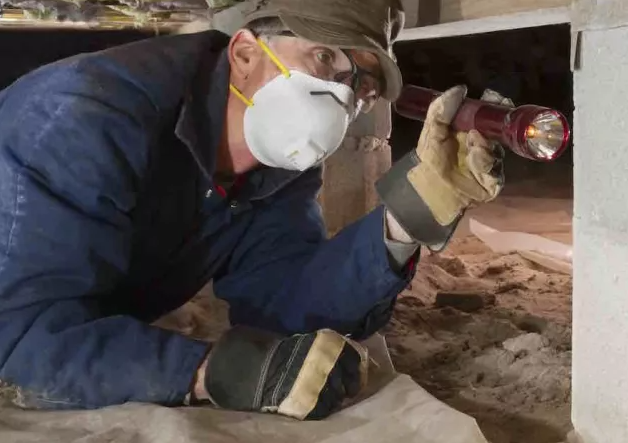
Termite damage can be catastrophic for residential and commercial properties alike. These difficult to detect pests operate silently within your walls, floors, and structural timbers, often causing extensive damage before any visible signs appear. For Australian property owners, understanding what to expect from a termite inspection and how to prepare for one is essential knowledge.
Professional termite inspections are your first line of defence against these destructive pests. A thorough inspection conducted by a licensed timber pest inspector can identify active infestations, evidence of previous termite activity, and conditions that make your property vulnerable to future attacks. With termites causing an estimated $1.5 billion in damage to Australian properties annually, the importance of regular professional evaluations cannot be overstated.
This comprehensive guide will walk you through the warning signs of termite presence, the inspection process itself, how to prepare your property for inspection, and what to expect from your inspection report. Whether you are a homeowner scheduling your annual inspection or a property buyer conducting due diligence, this information will help you get the most value from your termite inspection.
Termites never sleep. A single colony can contain hundreds of thousands of individuals working around the clock to consume the timber in your home. Early detection through professional inspection is your best protection against significant structural damage.
Signs of Termite Presence
Before scheduling a professional inspection, many property owners first notice potential warning signs that suggest termite activity. Recognising these indicators can help you act quickly to minimise damage. While some signs are obvious, others require a trained eye to identify. Here are seven key indicators that termites may be present in your property.
1. Mud Tubes on Walls and Foundations
Subterranean termites, the most common and destructive species in Australia, build protective tunnels known as mud tubes or shelter tubes. These pencil sized tubes are constructed from soil, termite saliva, and faecal matter, providing a humid, protected pathway between the termite colony in the ground and their food source in your home.
Mud tubes are typically found on external and internal walls, along foundation edges, inside subfloor areas, and running up pier stumps. They may also appear inside wall cavities, behind stored items in garages, and along plumbing penetrations. The tubes are usually brown or dark in colour and roughly the diameter of a pencil, though they can be thicker where multiple tubes have merged.
If you discover mud tubes on your property, it is important not to disturb them until a professional inspector has examined them. Breaking the tubes can cause termites to abandon that pathway and establish new entry points elsewhere in your home, making detection and treatment more difficult.
2. Frass: Termite Droppings
Drywood termites, less common in Australia but found in some coastal and tropical regions, produce distinctive droppings called frass. Unlike subterranean termites that use their waste in mud tube construction, drywood termites push their faecal pellets out of small holes in the timber they infest.
Frass appears as small, wood coloured pellets with ridged surfaces. The pellets are typically about one millimetre in length and have six concave sides. They often accumulate in small piles below the infestation site, resembling sawdust or fine sand. However, frass can be distinguished from sawdust by its uniform, pellet like shape.
Finding frass near wooden structures, on window sills, or in corners of rooms may indicate an active drywood termite infestation. Because drywood termites do not require contact with the soil, they can infest timber throughout your home, including roof timbers, furniture, and structural framing.
3. Hollowed or Damaged Wood
Termites consume timber from the inside out, leaving a thin veneer of paint or wood on the surface while hollowing out the interior. This means that timber may appear intact from the outside while being severely compromised internally.
You can check for hollow timber by tapping on suspect areas with a screwdriver handle or similar object. Sound timber produces a solid, resonant sound, while termite damaged timber sounds hollow or papery. In advanced infestations, pressing on the timber surface may cause it to collapse inward, revealing the galleries and chambers created by termite activity.
Common areas to check include door frames, skirting boards, architraves, window frames, and exposed structural timbers. Damage often appears as a maze like pattern of tunnels running parallel to the wood grain, sometimes with traces of mud or faecal material lining the galleries.
4. Swarmers or Discarded Wings
Reproductive termites, known as alates or swarmers, leave established colonies to mate and start new colonies. This typically occurs during warm, humid weather, often in spring or after rainfall. Swarmers have dark bodies and two pairs of equal length wings.
After landing and finding a suitable nesting site, swarmers shed their wings. Finding discarded wings on window sills, near light fittings, along doorways, or on floors may indicate that termites are establishing a new colony in or near your property.
It is important to distinguish termite swarmers from flying ants, which also swarm during similar periods. Termites have straight antennae, a thick waist, and wings of equal length. Flying ants have elbowed antennae, a narrow waist, and front wings longer than rear wings. If you observe swarming insects and are unsure of the species, collect some specimens for professional identification.
5. Clicking Sounds in Walls
Soldier termites produce audible clicking or tapping sounds by banging their heads against tunnel walls to signal danger to the colony. Worker termites can also create noise while eating, producing a quiet munching sound that may be audible in severe infestations.
These sounds are often most noticeable at night when background noise is minimal. If you hear unexplained clicking or rustling sounds coming from your walls, ceiling, or floor areas, it warrants investigation by a professional inspector.
While clicking sounds can indicate termite presence, they may also be caused by other factors such as thermal expansion of building materials or other pests. A trained inspector can determine the source of unusual sounds and whether termite activity is responsible.
6. Sticking Doors and Windows
As termites consume timber door frames and window frames, they produce moisture as a byproduct of digestion. This moisture can cause the surrounding timber to warp and swell, making doors and windows difficult to open or close properly.
While sticking doors and windows can have many causes, including seasonal humidity changes and house settling, sudden onset of these problems, particularly when accompanied by other warning signs, may indicate termite activity. This is especially true if the sticking is localised to specific doors or windows rather than occurring throughout the property.
Inspect the frames of sticking doors and windows for other signs of termite damage, including hollow sounding timber, visible mud tubes, or bubbling paint. If you notice multiple warning signs in the same area, professional inspection is strongly recommended.
7. White Ant Sightings
The term white ants is a common misnomer for termites in Australia. Despite the name, termites are not ants at all but are more closely related to cockroaches. However, they do share some visual similarities with ants, leading to confusion.
Worker termites, which make up the majority of a colony, are pale cream or white in colour with soft bodies. They are rarely seen unless their tunnels or workings are disturbed. If you see white ant like insects in or around your home, they are almost certainly termites, and you should arrange a professional inspection immediately.
Termites may be exposed when disturbing stored items, moving timber, gardening near the house, or during renovation work. If termites are discovered, avoid disturbing them further and contact a licensed pest inspector as soon as possible.
Quick Reference: Warning Signs of Termite Activity
The following table summarises the key warning signs of termite presence and where they are most commonly found.
| Warning Sign | Description | Common Locations | Urgency Level |
|---|---|---|---|
| Mud tubes | Pencil sized tunnels made of soil and termite matter | Foundations, walls, subfloor, pier stumps | High |
| Frass | Wood coloured, ridged pellets from drywood termites | Window sills, floor corners, below timber | High |
| Hollowed wood | Timber sounds hollow when tapped, may collapse | Door frames, skirting, window frames | High |
| Swarmers or wings | Flying termites or discarded wings after swarming | Window sills, light fittings, entry points | Moderate to High |
| Clicking sounds | Soldier termites signalling threats to colony | Inside walls, ceilings, floors | Moderate |
| Sticking doors | Moisture from termite activity causes warping | Door frames, window frames throughout | Low to Moderate |
| White ant sightings | Pale cream termites exposed during disturbance | Garden, stored timber, renovation areas | High |
The Termite Inspection Process
Understanding what happens during a professional termite inspection helps you know what to expect and ensures you get maximum value from the service. A thorough inspection follows a systematic process designed to examine all accessible areas of your property for evidence of termite activity and conditions conducive to infestation.
Introduction and Credentials Verification
A professional termite inspection should begin with the inspector introducing themselves and presenting their credentials. In Australia, pest inspectors must hold appropriate licences issued by their state or territory regulatory authority. These licences ensure the inspector has completed required training and maintains professional standards.
The inspector should provide details of their licence number, insurance coverage, and the inspection standards they follow. In Australia, termite inspections should comply with Australian Standard AS 4349.3 for timber pest inspections. Do not hesitate to ask for verification of these credentials before the inspection begins.
This initial meeting is also an opportunity to discuss any specific concerns you have about the property, provide relevant documentation, and understand the scope of the inspection including any limitations.
Preliminary Questions About Property History
Before beginning the physical inspection, the inspector will typically ask questions about the property to gather relevant background information. This helps focus the inspection and identify potential risk areas. Common questions include:
- How long have you owned or occupied the property?
- Are you aware of any previous termite activity or treatment?
- Have you noticed any warning signs such as those described above?
- Has the property had any water leaks, flooding, or drainage issues?
- When was the property built and what construction method was used?
- Is there an existing termite management system in place?
- Have any renovations or extensions been completed?
- Are there any areas of the property that are currently inaccessible?
Providing accurate and detailed responses to these questions helps the inspector conduct a more thorough and targeted assessment.
Visual Examination: Interior
The interior inspection involves a systematic examination of all accessible areas inside the property. The inspector will work through each room methodically, examining potential termite entry points and vulnerable areas.
Interior areas examined typically include:
- All visible timber elements including skirting boards, architraves, and door frames
- Built in cupboards, wardrobes, and storage areas
- Wet areas including bathrooms, laundry, and kitchen
- Subfloor access points and the subfloor area itself where accessible
- Roof void and ceiling spaces
- Garage areas and internal walls adjoining the garage
- Any areas where plumbing or electrical services penetrate walls or floors
The inspector will look for visible evidence of termite activity, moisture issues that could attract termites, and conditions that may facilitate termite entry or concealment.
Visual Examination: Exterior
The external inspection examines the property perimeter and surrounding areas where termites may gain access to the structure. This includes areas immediately adjacent to the building and features of the property that may harbour termites or provide pathways to the home.
External areas examined typically include:
- Foundation walls and building perimeter
- External cladding, weep holes, and ventilation points
- Attached structures such as decks, verandahs, and pergolas
- Fences, retaining walls, and garden edging
- Trees, stumps, and landscaping within close proximity
- Stored timber, firewood, and debris near the building
- Garden beds, mulch areas, and irrigation systems
- Outbuildings, sheds, and carports
The inspector will assess how well the property's physical barriers are maintained and identify any conditions that increase termite risk.
Tool Based Assessment
Professional termite inspectors use a range of specialised tools and equipment to detect termite activity that cannot be identified through visual examination alone. These tools enhance the thoroughness and accuracy of the inspection.
Common inspection tools include:
- Moisture meters: Electronic devices that detect elevated moisture levels in building materials. High moisture can indicate termite activity, water leaks, or conditions favourable to termites.
- Probing rods and sounding tools: Used to tap timber surfaces and probe suspect areas to detect hollow or damaged timber. Probing can reveal concealed termite damage below the surface.
- Thermal imaging cameras: Detect temperature variations that may indicate termite presence behind walls and in concealed areas. Termite activity can create subtle heat signatures due to their metabolic processes.
- Termatrac or radar devices: Specialised radar equipment that can detect termite movement through walls without the need for invasive drilling. These devices can confirm active infestations in suspected areas.
- Borescopes: Flexible cameras that allow visual inspection inside wall cavities, ceiling spaces, and other concealed areas through small access holes.
- Torches and ladders: Essential for examining dark spaces, subfloor areas, roof voids, and elevated areas of the property.
Documentation and Photography
Throughout the inspection, the inspector will document their findings through written notes and photographs. This documentation forms the basis of the written report and provides a permanent record of the property's condition at the time of inspection.
Photographs are particularly important for documenting evidence of termite activity, areas of concern, and conditions conducive to infestation. They also serve as baseline images that can be compared during future inspections to track changes over time.
The inspector may also sketch diagrams showing the location of findings, the areas inspected, and any areas that could not be accessed due to obstructions or safety concerns.
Verbal Summary
Upon completing the physical inspection, the inspector will typically provide a verbal summary of their findings. This discussion gives you immediate insight into any concerns identified and allows you to ask questions before the formal written report is prepared.
The verbal summary may cover whether any active termite activity was detected, evidence of previous termite damage, conditions that increase your property's termite risk, and preliminary recommendations for treatment or preventive measures.
Written Report
The final and most important deliverable from a termite inspection is the written report. This document provides a permanent record of the inspection findings and typically includes:
- Details of the inspector and their qualifications
- Property identification and inspection date
- Description of areas inspected and any areas not inspected
- Findings regarding active termite infestation
- Evidence of previous termite activity or damage
- Conditions conducive to termite attack
- Risk assessment and vulnerability rating
- Recommendations for treatment, monitoring, or further investigation
- Photographs and diagrams supporting the findings
- Limitations and exclusions of the inspection
The report should comply with Australian Standard AS 4349.3 and be provided within the timeframe agreed at the time of booking, typically within 24 to 48 hours of the inspection.
Preparation Steps for a Termite Inspection
Proper preparation for a termite inspection ensures the inspector can access all necessary areas and conduct a thorough assessment. Taking time to prepare your property will result in a more comprehensive inspection and more valuable report.
Clear Indoor Clutter
Remove or relocate items that are blocking access to walls, skirting boards, and built in cupboards. The inspector needs clear sightlines along walls and the ability to approach all internal timber elements for examination.
Focus on clearing:
- Items stored against walls in garages, storage rooms, and laundries
- Contents of built in wardrobes and cupboards, particularly floor level items
- Furniture positioned tightly against walls
- Boxes and stored items in subfloor access areas
- Items blocking access to the roof void entry point
- Clutter in bathroom and kitchen cabinets that prevents inspection of plumbing
While it is not necessary to empty every cupboard, creating clear pathways and access to key inspection points significantly improves the quality of the assessment.
Remove Outdoor Debris
Clear debris and stored materials from around the building perimeter and foundations. This includes items that may be concealing termite entry points or creating conditions favourable to termites.
Areas to address include:
- Firewood stacks stored against walls or near the building
- Stored timber, pallets, and building materials
- Garden waste, leaf litter, and debris along foundations
- Dense vegetation growing against external walls
- Items stored under decks and verandahs
- Old timber sleepers, stakes, and garden edging
Creating clear access around the building perimeter allows the inspector to examine foundation walls, weep holes, and potential termite entry points without obstruction.
Provide Relevant Documentation
Gather and provide any documentation that may assist the inspector in understanding your property's history and current termite management arrangements.
Helpful documents include:
- Previous termite inspection reports
- Records of past termite treatments or barrier installations
- Floor plans and building plans if available
- Maintenance records relating to plumbing or moisture issues
- Building inspection reports from the time of purchase
- Warranty documents for existing termite management systems
This information helps the inspector understand the property's termite history and ensure any existing management systems are functioning as intended.
Remain Present During Inspection
While not always required, being present during the inspection offers several advantages. You can direct the inspector to specific areas of concern, answer questions about the property's history, learn about your property's termite risks firsthand, and receive the verbal summary immediately upon completion.
If you cannot be present, arrange for another responsible adult to be at the property to provide access and receive information. Ensure the inspector has your contact details in case questions arise during the inspection.
Unlock All Areas
Ensure the inspector has access to all areas of the property, including those that are normally locked or restricted. Areas that require unlocking typically include:
- Subfloor access hatches and crawl space entries
- Roof void access panels, often located in cupboards or hallways
- Garages, carports, and storage sheds
- Basement areas if present
- Locked rooms, home offices, and private areas
- Gates providing access to side passages and rear yards
- Meter boxes and utility enclosures
Any area that cannot be accessed will be noted as a limitation in the inspection report. Unlocking all areas allows for the most comprehensive assessment possible.
Inspection Preparation Checklist
Use the following checklist to ensure your property is properly prepared for a termite inspection.
| Category | Preparation Task | Why It Matters |
|---|---|---|
| Interior Access | Clear items away from walls and skirting boards | Allows visual inspection and probing of timber elements |
| Clear floor of built in cupboards | Cupboards often conceal termite entry points | |
| Move stored items from garage walls | Garages are high risk areas for termite entry | |
| Clear access to subfloor entry point | Subfloor inspection is critical for detecting activity | |
| Exterior Access | Remove items stored against external walls | Reveals foundation and potential mud tubes |
| Move firewood away from building | Firewood can harbour termites and conceal entry | |
| Clear debris from foundation perimeter | Allows examination of slab edge and weep holes | |
| Trim vegetation against walls | Dense plants can conceal termite activity | |
| Locked Areas | Unlock gates to side passages and rear yard | Provides access to full building perimeter |
| Unlock sheds, carports, and outbuildings | These structures may have or attract termites | |
| Ensure roof void access is clear and unlocked | Roof timbers are common termite targets | |
| Documentation | Gather previous inspection and treatment records | Provides important property history context |
| Have floor plans available if possible | Helps inspector understand building layout | |
| Personal | Plan to be present during inspection | Receive immediate feedback and ask questions |
| Secure pets away from inspection areas | Ensures safe access for inspector and pets |
Specialised Inspection Types
Depending on your property type, location, and specific concerns, your inspector may employ specialised inspection techniques beyond the standard visual assessment. These techniques enhance detection capabilities and provide more detailed information about your property's termite risk profile.
Subterranean Termite Inspection
Subterranean termites are the most destructive termite species in Australia, responsible for the vast majority of termite damage to buildings. These termites nest in the soil and travel to timber food sources through underground tunnels or above ground shelter tubes.
A focused subterranean termite inspection involves thorough examination of the subfloor area where accessible, detailed assessment of all soil to structure contact points, inspection of foundation walls, pier stumps, and bearers, checking for breaches in physical termite barriers, assessment of drainage and moisture conditions around the property, and examination of gardens, trees, and potential nest sites near the building.
Properties with timber subfloors, those built on sloping sites, and homes in high termite risk zones may benefit from additional focus on subterranean termite detection.
Thermal Imaging Inspection
Thermal imaging uses infrared cameras to detect temperature variations in building materials that may indicate concealed termite activity. Active termite infestations can create subtle heat patterns due to the metabolic activity of the colony and moisture associated with their workings.
Thermal imaging is particularly valuable for examining wall cavities without the need for invasive access, detecting moisture issues that may attract or indicate termites, identifying areas warranting further investigation with other tools, and scanning large areas quickly to identify hot spots.
While thermal imaging cannot definitively confirm termite presence, it is an excellent screening tool that can reveal anomalies requiring closer examination. Results are most effective when interpreted by a trained operator familiar with building construction.
Moisture Detection
Moisture detection is a critical component of termite inspection because termites require moisture to survive and are attracted to damp conditions. Elevated moisture levels in building materials may indicate water leaks or building defects, conditions favourable to termite attack, actual termite activity as termites bring moisture into infested timbers, or wood decay fungi which can also damage timber.
Professional moisture meters can detect moisture content in timber and other building materials without causing damage. The inspector will check areas prone to moisture issues including bathrooms, kitchens, laundries, subfloor areas, and locations where plumbing runs through walls or floors.
Identifying and addressing moisture issues is an important part of termite prevention, as reducing moisture makes your property less attractive to these pests.
Radar Detection Technology
Advanced radar devices such as Termatrac can detect termite movement through walls and other building elements without the need for invasive drilling or probing. The device emits radar signals that detect the subtle vibrations caused by termite movement.
Radar detection is useful for confirming active termite presence in suspected areas, determining the extent of an infestation before treatment, monitoring treatment effectiveness over time, and providing evidence of activity that may not be visible.
This technology is particularly valuable when thermal imaging or moisture readings suggest possible termite activity but visual confirmation is not possible without damaging building materials.
Borescope Examination
Borescopes are flexible cameras on thin cables that can be inserted through small holes to visually examine concealed spaces. They are valuable for seeing inside wall cavities where termite activity is suspected, examining inaccessible roof void and subfloor areas, checking inside hollow core doors and built in furniture, and documenting conditions in spaces too small for physical access.
Borescope examination may require drilling small access holes in walls or ceilings. The inspector will discuss this with you if invasive examination is recommended and obtain your permission before creating any openings.
Understanding Your Inspection Report
The inspection report is the formal documentation of your termite inspection and serves as an important reference document for your property. Understanding how to read and interpret the report ensures you can act on its findings appropriately.
Key Findings Section
The findings section describes what the inspector observed during the assessment. This typically includes whether active termite infestation was detected and if so, where and to what extent, evidence of previous termite damage or activity even if no longer active, presence of other timber pests such as borers or wood decay fungi, and conditions observed that may increase termite risk.
Pay close attention to any findings of active termite activity, as this requires immediate attention. Previous damage may indicate the need for repair assessment, while conducive conditions should be addressed to reduce future risk.
Vulnerability Assessment
Many reports include an assessment of your property's overall vulnerability to termite attack. This considers factors such as construction type and materials used, age and condition of the building, geographic location and local termite pressure, presence and condition of termite management systems, landscaping and environmental factors, and moisture conditions and drainage.
The vulnerability assessment helps you understand your property's risk profile and make informed decisions about prevention and monitoring strategies.
Treatment Recommendations
If active termites are found or significant risk factors identified, the report will include recommendations for treatment or preventive measures. Common recommendations include immediate treatment for active infestations using appropriate methods, installation of a termite management system such as chemical barriers or monitoring stations, repairs to address conditions conducive to termite attack, ongoing monitoring through regular inspections, and referral to specialists for further assessment if required.
The inspector should explain the rationale for their recommendations and may provide multiple options with different cost and protection levels.
Limitations and Exclusions
Every inspection report includes a section detailing limitations. These acknowledge that no inspection can provide absolute certainty about the presence or absence of termites. Common limitations include areas that could not be accessed due to stored items or obstructions, concealed areas within walls, floors, and ceilings that cannot be seen without invasive investigation, areas inaccessible due to safety concerns, and seasonal factors that may affect termite activity levels.
Understanding the limitations helps you interpret the report's findings appropriately and identifies areas where additional inspection may be beneficial.
Frequently Asked Questions
How often should I get a termite inspection?
Short answer: Annual inspections are recommended as a minimum for most Australian properties, with more frequent inspections for high risk properties.
The Australian Standard AS 3660.2 recommends annual termite inspections for most residential properties. However, properties in high risk termite areas, those with previous termite history, older homes with timber subfloors, or properties in tropical and subtropical climates may benefit from inspections every six months. Additionally, you should arrange an immediate inspection if you notice any warning signs of termite activity or if neighbouring properties report termite problems. Regular inspections are particularly important given that standard home insurance does not cover termite damage.
How much does a termite inspection cost in Australia?
Short answer: Termite inspection costs in Australia typically start at around $250 to $500 for a standard residential property.
The cost varies depending on the size of your property, its location, the extent of accessible areas, and whether advanced technology such as thermal imaging is included. Larger properties, multi storey homes, and properties with complex construction may cost more. Combined building and pest inspection packages are often available for $450 to $700 and provide better value than booking separately. When comparing quotes, ensure you understand what is included and whether the inspection meets Australian Standard AS 4349.3. The cost of an inspection is minimal compared to potential repair costs of $10,000 to $100,000 or more for significant termite damage.
How long does a termite inspection take?
Short answer: A thorough termite inspection typically takes between one to two hours for an average sized home.
The duration depends on the size of your property, the number of buildings and outbuildings, accessibility of subfloor and roof void areas, and whether any termite activity is detected that requires additional investigation. Smaller apartments may take 45 minutes to an hour, while large homes or properties with multiple structures may take two to three hours. Be wary of inspections completed in less than an hour for a standard home, as this may indicate a rushed assessment. The inspector should take adequate time to examine all accessible areas thoroughly and document their findings properly.
Do I need to be present during the inspection?
Short answer: While not always required, being present during the inspection is recommended so you can receive immediate feedback and ask questions.
Being present allows you to direct the inspector to specific areas of concern, provide information about the property's history, observe the inspection process, and receive a verbal summary of findings immediately upon completion. If you cannot attend, arrange for another responsible adult to provide access and receive information. Ensure the inspector has your contact details in case questions arise. The written report will be provided regardless of whether you are present, typically within 24 to 48 hours.
What happens if termites are found during inspection?
Short answer: If termites are detected, the inspector will document the findings and recommend appropriate treatment options without disturbing the colony.
The inspector should avoid disturbing active termites as this can cause them to relocate and make treatment more difficult. The inspection report will detail the species identified if possible, the location and extent of activity, the estimated damage severity, and recommended treatment approaches. Treatment options may include chemical soil barriers, baiting systems, or a combination approach. You will need to engage a licensed pest controller for treatment, which may be the same company or a different provider. Get multiple quotes for treatment and ensure the provider is appropriately licensed and insured.
What qualifications should a termite inspector have?
Short answer: Termite inspectors in Australia must hold a current pest control licence issued by their state or territory regulatory authority.
Licensing requirements vary between states but generally require completion of Certificate III in Urban Pest Management or equivalent qualification. Ask to see the inspector's licence before the inspection begins. Additionally, look for inspectors who are members of professional associations such as the Australian Environmental Pest Managers Association (AEPMA) and verify they carry professional indemnity and public liability insurance. Experienced inspectors with knowledge of local termite species and building construction methods will provide more thorough and accurate assessments.
Can termites return after professional treatment?
Short answer: Yes, termites can return after treatment, which is why ongoing monitoring and regular inspections remain essential.
No termite treatment provides permanent, guaranteed protection against future infestations. Chemical barriers degrade over time and may be breached by construction work or landscaping changes. Baiting systems require ongoing monitoring and maintenance. Additionally, there may be multiple termite colonies in your area, so eliminating one does not protect against others. For these reasons, annual inspections should continue even after successful treatment. Most treatment warranties require ongoing inspections to remain valid. Monitor for warning signs between inspections and report any concerns to your pest controller promptly.
Are DIY termite inspections effective?
Short answer: While homeowners can check for visible warning signs, professional inspections are necessary for reliable detection and assessment.
Termites often cause significant damage before any visible signs appear, and much of their activity occurs in concealed locations that are difficult to access without professional equipment. Licensed inspectors use thermal imaging, moisture meters, and radar devices to detect hidden infestations that cannot be identified through visual examination alone. They also have training to identify termite species, assess damage severity, and recommend appropriate treatment. DIY checks can supplement professional inspections by helping you identify warning signs between annual assessments, but they should never replace professional inspections.
Key Takeaways
- Recognise the seven key warning signs of termite presence: mud tubes, frass, hollowed wood, swarmers or wings, clicking sounds, sticking doors, and white ant sightings.
- Professional termite inspections follow a systematic process including credentials verification, property history review, visual examination, tool based assessment, and comprehensive reporting.
- Proper preparation including clearing access to walls, removing outdoor debris, and unlocking all areas improves inspection quality and completeness.
- Specialised inspection techniques including thermal imaging, moisture detection, and radar technology enhance detection of concealed termite activity.
- Annual inspections are recommended as a minimum, with more frequent inspections for high risk properties in tropical or subtropical climates.
- Professional termite inspections in Australia typically cost from $250 to $500 and take one to two hours for an average sized home.
- Understanding your inspection report including findings, vulnerability assessment, and treatment recommendations enables informed decision making.
- Standard home insurance does not cover termite damage, making prevention and early detection through professional inspections critical for protecting your investment.
References and Resources
- CSIRO (Commonwealth Scientific and Industrial Research Organisation)
- Australian Environmental Pest Managers Association (AEPMA)
- Standards Australia (AS 4349.3 and AS 3660.2)
- NSW Fair Trading
- Consumer Affairs Victoria
- Queensland Building and Construction Commission (QBCC)
Schedule Your Professional Termite Inspection
Protect your property from costly termite damage with a comprehensive timber pest inspection. Our licensed inspectors use the latest detection technology to identify termite activity early, giving you peace of mind and protecting your investment. We provide thorough inspections across NSW, Victoria, and Queensland.
Book a Timber Pest Inspection