
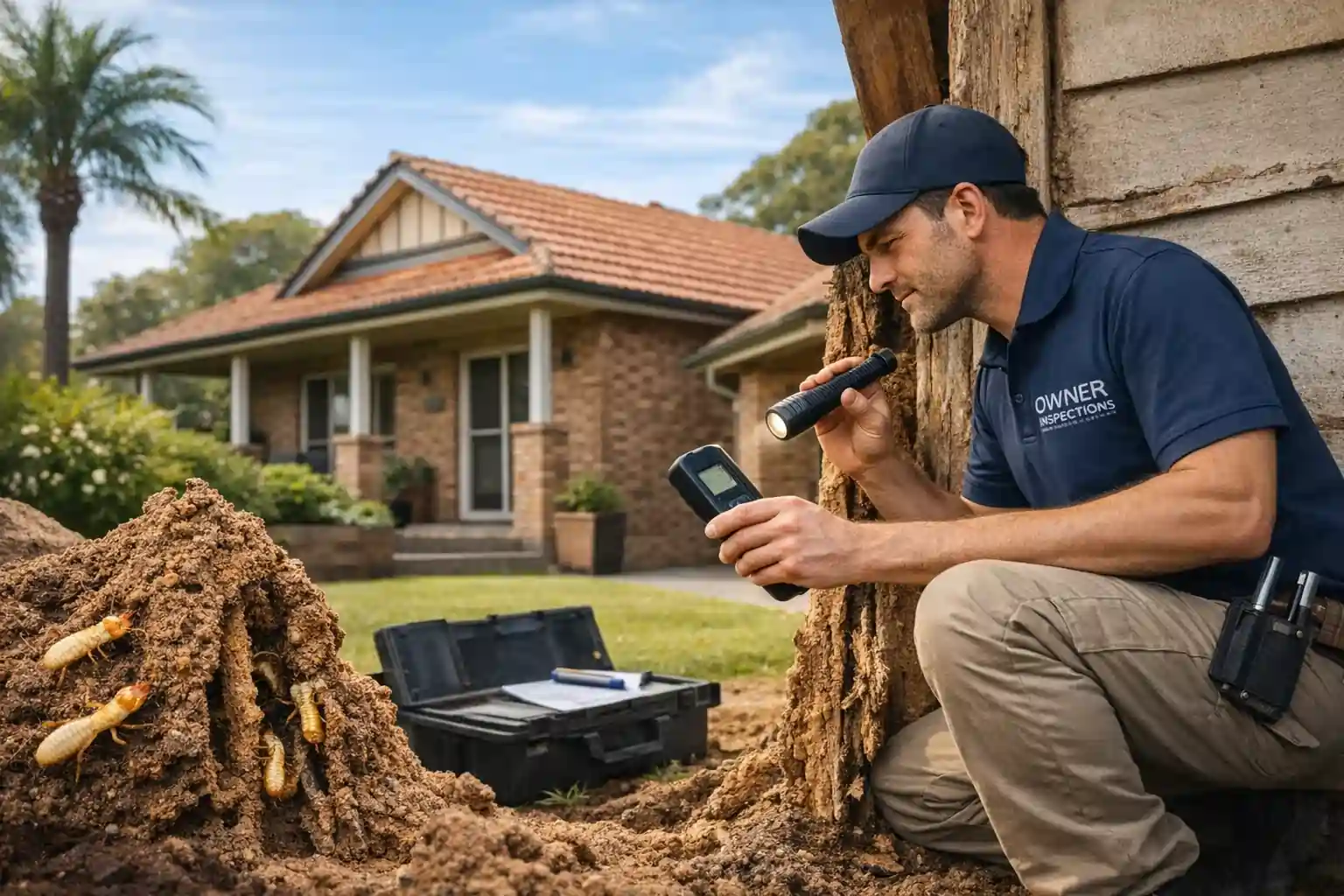
They work silently, 24 hours a day, eating through your home's structural timbers from the inside out. By the time you notice the damage, termites may have already caused thousands of dollars in destruction. This is the reality facing Australian homeowners every day.
Termites are one of the most destructive pests in Australia, causing approximately $1.5 billion in damage to properties annually. These silent destroyers can compromise the structural integrity of your home long before visible signs appear, making professional termite inspections essential for every Australian property owner.
Whether you are purchasing a new property, maintaining your current home, or concerned about potential termite activity, understanding the inspection process and warning signs can save you thousands of dollars in repair costs and protect your family's safety.
Most home insurance policies do not cover termite damage. Prevention through regular inspections is your only real protection against these destructive pests.
What Is a Termite Inspection?
A termite inspection is a comprehensive professional assessment designed to detect the presence of termites and other timber pests before they cause serious structural damage to your property. Conducted by licensed pest inspectors, these inspections follow the Australian Standard AS 4349.3 for timber pest inspections.
The inspection process involves a thorough examination of all accessible areas of your property, both internally and externally, using a combination of visual assessment and advanced detection technology.
External Evaluation
The external assessment examines your property's perimeter for visible signs of termite activity. Inspectors look for:
- Mud tubes or shelter tubes on external walls and foundations
- Timber deterioration around doors, windows, and fence lines
- Tree stumps, garden beds, and landscaping that may harbour termites
- Moisture issues that create favourable conditions for termites
- Entry points where termites may gain access to the structure
Internal Assessment
Inside the property, inspectors examine all accessible timber components and concealed areas, including:
- Subfloor areas and crawl spaces
- Roof void and ceiling spaces
- Built-in cupboards and storage areas
- Skirting boards, architraves, and door frames
- Wet areas including bathrooms, laundry, and kitchen
Advanced Detection Technology
Modern termite inspections utilise sophisticated equipment to detect hidden termite activity that cannot be seen with the naked eye:
- Thermal imaging cameras: Detect temperature variations that may indicate termite presence behind walls
- Moisture meters: Identify elevated moisture levels that attract termites
- Termatrac radar devices: Detect termite movement through walls without invasive drilling
- Borescopes: Allow visual inspection inside wall cavities and confined spaces
Warning Signs of Termite Infestation
Early detection is critical for minimising termite damage. Being aware of the warning signs can help you identify potential problems before they become severe.
| Warning Sign | Description | Location |
|---|---|---|
| Hollow sounding timber | Wood sounds hollow when tapped due to internal consumption | Door frames, skirting boards, structural timbers |
| Mud tubes | Protective tunnels made of soil and termite saliva | External walls, foundations, subfloor |
| Bubbling or cracking paint | Paint distortion caused by moisture from termite activity | Walls, door frames, window frames |
| Frass (termite droppings) | Fine powdery waste deposits resembling sawdust | Near wooden structures, window sills |
| Discarded wings | Wings shed by reproductive termites after swarming | Window sills, door frames, light fittings |
| Tight fitting doors or windows | Warping caused by moisture from termite activity | Doors, windows throughout property |
| Sagging floors or ceilings | Structural weakening due to timber damage | Floor areas, ceiling sections |
Financial Impact of Termite Damage
The cost of termite damage repair in Australia can be substantial, often catching homeowners off guard. Understanding the potential financial impact highlights the importance of regular inspections and early detection.
| Damage Severity | Typical Repair Cost | Common Repairs Required |
|---|---|---|
| Minor damage | $5,000 to $15,000 | Skirting boards, door frames, minor timber replacement |
| Moderate damage | $15,000 to $50,000 | Floor joists, wall framing, subfloor repairs |
| Severe damage | $50,000 to $100,000+ | Structural repairs, restumping, major reconstruction |
| Termite inspection cost | $250 to $500 | Professional assessment with detailed report |
It is important to note that standard home and contents insurance policies in Australia typically do not cover termite damage. This makes prevention through regular inspections even more critical for protecting your investment.
How Often Should You Get a Termite Inspection?
The frequency of termite inspections depends on several factors including your location, property type, and risk level.
Annual Inspections
Annual termite inspections are recommended as a minimum for most Australian properties. This frequency is supported by Australian Standard AS 3660.2 and is essential for:
- Properties in moderate to high risk termite zones
- Homes with established termite management systems
- Properties with previous termite history
- Standard residential properties in suburban areas
Six Monthly Inspections
More frequent inspections every six months are advised for:
- Properties in tropical or subtropical climates (Queensland, Northern Territory, northern NSW)
- Older homes with timber subfloors or stumps
- Properties surrounded by native bushland
- Homes with known termite activity in the immediate area
- Properties with high moisture issues
Additional Inspections
You should arrange an immediate inspection if you notice:
- Any of the warning signs mentioned above
- Termite activity reported by neighbours
- Recent flooding or water damage to your property
- New construction or landscaping work nearby
Common Termite Species in Australia
Australia is home to over 350 termite species, with approximately 30 species known to cause structural damage to buildings. Understanding the most common destructive species helps in identification and treatment.
| Species | Distribution | Damage Potential |
|---|---|---|
| Coptotermes acinaciformis | Nationwide | Most destructive species in Australia |
| Coptotermes frenchi | Southern states | Highly destructive to structural timber |
| Schedorhinotermes | Eastern Australia | Second most destructive genus |
| Nasutitermes | Northern Australia | Moderate damage to timber structures |
| Heterotermes ferox | Nationwide | Attacks damp or decaying timber |
Choosing a Professional Termite Inspector
Selecting a qualified and experienced termite inspector is crucial for accurate assessment and reliable results. Here are key factors to consider:
Qualifications and Licensing
- Ensure the inspector holds a current pest control licence for your state
- Look for membership in professional associations such as the Australian Environmental Pest Managers Association (AEPMA)
- Verify they follow Australian Standard AS 4349.3 for timber pest inspections
Experience and Equipment
- Choose inspectors with extensive experience in your local area
- Confirm they use modern detection technology including thermal imaging and moisture meters
- Ask about their inspection methodology and what areas will be examined
Insurance and Guarantees
- Verify the inspector carries professional indemnity insurance
- Ask about public liability coverage
- Understand what is covered in their inspection report and any limitations
Termite Prevention Strategies
While regular inspections are essential, implementing prevention strategies can significantly reduce your property's termite risk.
Moisture Management
- Fix leaking taps, pipes, and downpipes promptly
- Ensure adequate drainage around your property
- Maintain good ventilation in subfloor areas
- Direct air conditioning overflow away from the building
Garden and Landscaping
- Remove dead trees, stumps, and timber debris from your property
- Maintain a clearance between garden beds and external walls
- Avoid using untreated timber for garden edging or retaining walls
- Keep mulch away from building foundations
Building Maintenance
- Maintain physical barriers and termite shields
- Avoid storing timber or cardboard boxes against external walls
- Ensure weep holes are not blocked or bridged
- Consider installing a termite monitoring system
Frequently Asked Questions
How much does a termite inspection cost in Australia?
Short answer: A professional termite inspection in Australia typically costs between $250 and $500 for a standard residential property.
The cost varies depending on the property size, location, accessibility of inspection areas, and the level of detail required. Combined building and pest inspections are often available for $400 to $700, providing better value than booking separately. Some inspectors may charge additional fees for thermal imaging or written reports. Given that termite damage repairs can cost tens of thousands of dollars, the inspection fee represents excellent value for early detection and peace of mind.
Does home insurance cover termite damage in Australia?
Short answer: No, standard home and contents insurance policies in Australia do not cover termite damage or pest infestations.
Insurance companies consider termite damage to be a maintenance issue rather than sudden or accidental damage. This exclusion applies to most home insurance policies across all Australian insurers. Some specialist policies or add-ons may offer limited coverage, but these are rare and often have significant restrictions. This lack of coverage makes regular termite inspections and preventive treatments essential investments for protecting your property.
How long does a termite inspection take?
Short answer: A thorough termite inspection typically takes between 1 to 2 hours for an average-sized home.
The duration depends on the property size, accessibility of areas like subfloor and roof void, and whether any termite activity is detected. Larger properties or those with complex construction may take longer. The inspector will need access to all areas of the property including garages, sheds, and fence lines. After the inspection, a detailed written report is usually provided within 24 to 48 hours.
What is the difference between a termite inspection and a building inspection?
Short answer: A termite inspection focuses specifically on timber pest activity, while a building inspection assesses the overall structural condition and defects.
Building inspections cover structural elements, roofing, plumbing, electrical safety, and general maintenance issues. Termite inspections specifically look for evidence of termites, borers, and wood decay fungi. Both are conducted according to different Australian Standards. When purchasing a property, it is recommended to have both inspections performed, often available as a combined building and pest inspection package.
Can I do my own termite inspection?
Short answer: While you can look for visible warning signs, a professional inspection with specialised equipment is necessary for accurate detection.
Termites often cause significant damage before any visible signs appear. Professional inspectors use thermal imaging cameras, moisture meters, and radar detection devices to find hidden infestations that cannot be seen with the naked eye. Additionally, professional inspectors can identify the termite species, assess the extent of damage, and recommend appropriate treatment options. DIY checks can supplement professional inspections but should never replace them.
What happens if termites are found during an inspection?
Short answer: The inspector will document the activity, assess the damage extent, and recommend appropriate treatment options.
If termites are detected, the inspection report will detail the species identified, location and extent of activity, estimated damage severity, and treatment recommendations. The inspector should not disturb the termites as this can cause them to relocate and make treatment more difficult. You will then need to engage a licensed pest controller for treatment, which may include chemical barriers, baiting systems, or a combination of methods depending on the situation.
How often should I get a termite inspection?
Short answer: Annual inspections are recommended as a minimum, with six-monthly inspections for high-risk properties.
The Australian Standard AS 3660.2 recommends at least annual inspections for most properties. Properties in high-risk areas such as tropical climates, homes with previous termite history, or older properties with timber subfloors should have inspections every six months. If you notice any warning signs between scheduled inspections, arrange an immediate assessment rather than waiting for the next scheduled visit.
Are new homes protected from termites?
Short answer: New homes should have termite management systems installed, but these require regular inspection and maintenance to remain effective.
Under the National Construction Code, new homes must have termite management systems installed during construction. These may include chemical soil treatments, physical barriers, or reticulation systems. However, these systems are not permanent solutions and require regular professional inspection to ensure they remain intact and effective. Even new homes should have annual termite inspections as part of ongoing property maintenance.
What areas of my home are most at risk for termites?
Short answer: Areas with moisture, soil contact, or concealed timber are at highest risk for termite infestation.
High-risk areas include bathrooms, laundries, and kitchens where moisture is common. Subfloor areas, especially those with poor ventilation, are particularly vulnerable. External areas where timber meets soil, such as deck posts or fence lines, provide easy termite access. Stored timber, cardboard boxes, and garden mulch against walls can also attract termites. Regular inspection of these high-risk areas is essential for early detection.
What should I do to prepare for a termite inspection?
Short answer: Clear access to subfloor entries, roof void, garage, and along external walls to allow thorough inspection.
Move stored items away from walls in garages and storage areas. Clear vegetation and debris from around the building perimeter. Ensure the subfloor access point is accessible and not blocked by stored items. Unlock any gates or sheds that need to be inspected. If you have noticed any suspicious signs or areas of concern, make a note to show the inspector. Providing access to all areas allows for a more comprehensive inspection and accurate report.
What is the difference between termite inspection and termite treatment?
Short answer: An inspection identifies termite presence and activity, while treatment involves applying chemicals or installing baiting systems to eliminate termites.
A termite inspection is a diagnostic service that detects existing termite activity and assesses conditions that may attract termites. Treatment is an active intervention to eliminate termites and protect the property. Treatment options include chemical soil barriers, baiting systems, or a combination approach. If your inspection finds termites, the inspector will recommend appropriate treatment options. Inspection and treatment are typically separate services, though some companies offer combined packages.
Can termites damage brick or concrete homes?
Short answer: Yes, termites can damage brick and concrete homes by targeting timber elements within the structure including frames, roof trusses, and flooring.
While termites do not eat brick or concrete, they can travel through cracks and expansion joints to reach timber components. Most Australian homes, regardless of external construction, contain timber in roof structures, door and window frames, skirting boards, and sometimes floor systems. Termites can also damage built-in furniture, stored timber items, and even paperwork or books. No home is completely immune to termite attack.
What are the signs that termites have returned after treatment?
Short answer: New mud tubes, fresh timber damage, discarded wings, or clicking sounds in walls may indicate termites have returned or the treatment was incomplete.
After treatment, you should monitor for new termite activity, especially during the first year. Check for new mud tubes on walls or foundations, fresh damage to timber (look for lighter coloured wood compared to older damage), and piles of discarded wings near windows or doors. If you notice any signs, contact your pest control provider immediately as most treatments include a warranty period. Annual inspections remain essential even after treatment to ensure your property stays protected.
Should I get a termite inspection when buying an apartment or unit?
Short answer: Yes, apartments and units can still be affected by termites, particularly in lower floors or buildings with timber construction elements.
While upper-level apartments in concrete buildings have lower termite risk, ground floor units and those in older buildings with timber construction should definitely be inspected. Termites can travel through wall cavities, lift shafts, and service ducts. For strata properties, the body corporate is responsible for common area pest management, but you should still inspect your individual lot. Request information about the building's termite management history from the strata manager.
Key Takeaways
- Termites cause approximately $1.5 billion in property damage annually in Australia, making regular inspections essential.
- Professional termite inspections use advanced technology including thermal imaging and radar to detect hidden infestations.
- Annual inspections are recommended as a minimum, with six-monthly inspections for high-risk properties.
- Standard home insurance does not cover termite damage, making prevention critical.
- Repair costs range from $5,000 to over $100,000 depending on damage severity.
- Warning signs include hollow sounding timber, mud tubes, bubbling paint, and discarded wings.
- Choose licensed inspectors with appropriate insurance and modern detection equipment.
- Prevention strategies include moisture management, garden maintenance, and maintaining building barriers.
References and Resources
- CSIRO (Commonwealth Scientific and Industrial Research Organisation)
- Australian Environmental Pest Managers Association (AEPMA)
- Standards Australia (AS 4349.3 and AS 3660.2)
- NSW Fair Trading
- Queensland Building and Construction Commission (QBCC)
Protect Your Home from Termite Damage
Do not wait until termites cause costly damage to your property. Our licensed pest inspectors use the latest detection technology to identify termite activity early and protect your investment.
Book a Termite Inspection