
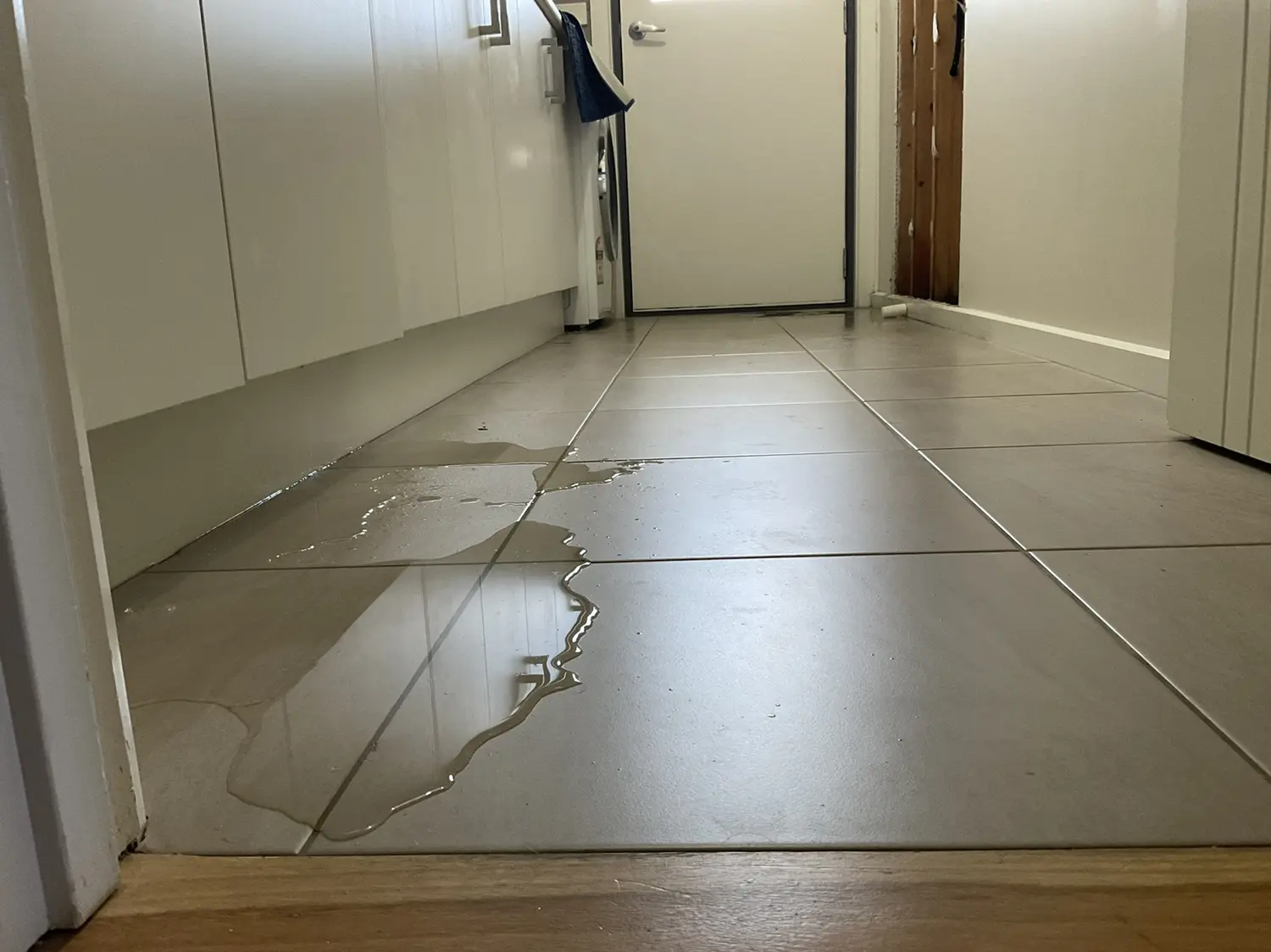
Purchasing a property is one of the most significant financial decisions you will make in your lifetime. Before you commit to such a major investment, understanding the true condition of the property is essential. A property defect inspection provides the critical information you need to make an informed decision and protect your investment.
Property defects can range from minor cosmetic issues to serious structural problems that may cost tens of thousands of dollars to repair. Many defects are not visible to the untrained eye, hiding behind walls, under floors, or in roof spaces. Without a professional inspection, buyers often discover these issues only after settlement, when it is too late to negotiate or walk away from the deal.
Whether you are purchasing an established home, a newly constructed property, or an off-the-plan apartment, a comprehensive defect inspection conducted by a qualified building inspector can reveal hidden problems, provide valuable negotiating leverage, and ultimately save you from costly surprises down the track.
A thorough property defect inspection is not an expense; it is an investment in protecting what may be your largest asset. The cost of an inspection is minimal compared to the potential cost of undiscovered defects.
What Is a Property Defect Inspection?
A property defect inspection is a thorough, systematic evaluation of a building conducted by a qualified building inspector. The purpose is to examine the property's structural integrity, identify safety hazards, detect compliance issues, and document any defects or deficiencies that may affect the property's value, habitability, or safety.
Unlike a casual walkthrough or a quick visual check, a professional defect inspection follows established protocols and Australian Standards to ensure every accessible area of the property is examined. Inspectors use their expertise and specialised equipment to identify issues that would otherwise go unnoticed by most buyers.
Scope of a Defect Inspection
A comprehensive property defect inspection covers all accessible areas of the building, including:
- Interior spaces: All rooms, hallways, staircases, and storage areas
- Exterior elements: Walls, cladding, windows, doors, balconies, and decks
- Roof structure: Roof covering, gutters, downpipes, fascias, and eaves
- Subfloor areas: Foundations, stumps, piers, bearers, and joists
- Roof void: Roof framing, insulation, and ventilation
- Site drainage: Stormwater systems, surface water management, and grading
- Ancillary structures: Garages, carports, sheds, fencing, and retaining walls
The Inspector's Role
A qualified building inspector brings specialised knowledge, experience, and objectivity to the inspection process. Their role includes:
- Conducting a systematic visual examination of all accessible areas
- Using advanced detection equipment to identify hidden issues
- Assessing the severity and implications of identified defects
- Documenting findings with photographs and detailed descriptions
- Providing a comprehensive written report with recommendations
- Explaining findings and answering questions from the buyer
Key Inspection Components
A property defect inspection encompasses multiple specialised assessments, each focusing on critical aspects of the building. Understanding these components helps buyers appreciate the thoroughness of a professional inspection.
Structural Assessments
The structural assessment is one of the most critical components of a defect inspection. Structural defects can compromise the safety and stability of the entire building, often requiring expensive repairs. The inspector examines:
- Foundation systems: Concrete slabs, strip footings, piers, and stumps are checked for cracking, movement, subsidence, and deterioration
- Load bearing walls: Internal and external walls are assessed for cracks, bowing, leaning, or signs of structural movement
- Roof framing: Rafters, trusses, ridge boards, and battens are examined for damage, inadequate sizing, or poor construction
- Floor systems: Bearers, joists, and flooring are checked for sagging, bouncing, or structural inadequacy
- Lintels and beams: These critical elements above openings are assessed for cracking, corrosion, or inadequate support
Moisture and Waterproofing Evaluations
Water intrusion is one of the most common and damaging issues in Australian properties. Moisture problems can lead to structural damage, mould growth, and compromised indoor air quality. The inspection includes:
- External waterproofing: Assessment of walls, windows, doors, and junctions for water entry points
- Wet area waterproofing: Evaluation of bathrooms, laundries, and kitchens for waterproofing membrane failures
- Roof and gutter systems: Checking for leaks, blocked gutters, and inadequate drainage
- Subfloor moisture: Testing for elevated moisture levels that may indicate drainage problems or rising damp
- Condensation issues: Identifying areas prone to condensation that may lead to mould and timber decay
Electrical and Plumbing Checks
While a building inspector does not conduct electrical or plumbing testing, they can identify visible defects and safety concerns that warrant further specialist investigation:
- Electrical safety: Checking for damaged wiring, outdated switchboards, missing safety switches, and non-compliant installations
- Plumbing issues: Identifying visible leaks, corrosion, inadequate support, and drainage problems
- Hot water systems: Assessing installation, condition, and any visible defects
- Gas installations: Noting visible gas fittings that may require specialist assessment
Pest Inspections
Timber pests, particularly termites, cause significant damage to Australian properties each year. A combined building and pest inspection is strongly recommended and includes:
- Termite detection: Searching for live termites, termite damage, and evidence of previous infestations
- Wood decay fungi: Identifying timber affected by rot or fungal attack
- Borer damage: Checking for evidence of wood boring insects
- Conducive conditions: Noting factors that may attract termites, such as moisture, timber ground contact, or inadequate ventilation
Australian Standards Compliance Verification
Buildings in Australia must comply with various standards and codes. While a defect inspection is not a compliance audit, inspectors identify obvious non-compliance that may affect safety or require rectification:
- Building Code of Australia (BCA): Compliance with structural, fire safety, and accessibility requirements
- Australian Standard AS4349: The standard governing building inspections
- Pool fencing requirements: Compliance with pool barrier regulations
- Smoke alarm requirements: Presence and functionality of required smoke alarms
- Balustrade and stair safety: Compliance with height and opening requirements
Common Defects Identified During Property Inspections
Property defect inspections consistently reveal similar issues across Australian buildings. Understanding these common defects helps buyers know what to expect and appreciate the value of professional inspection.
Foundation Cracks
Foundation cracks are among the most concerning defects identified during inspections. They can indicate soil movement, inadequate foundations, or structural issues that may worsen over time.
- Hairline cracks: Fine cracks less than 1mm wide are often cosmetic and caused by normal shrinkage or minor settlement
- Moderate cracks: Cracks between 1mm and 5mm may indicate ongoing movement and require monitoring or investigation
- Severe cracks: Cracks wider than 5mm, stepped cracks in brickwork, or cracks with displacement indicate significant structural movement requiring engineering assessment
Wall Misalignment
Walls that are leaning, bowing, or out of plumb indicate potential structural problems that may require significant remediation:
- Leaning external walls may indicate foundation movement or inadequate bracing
- Bowing walls can result from lateral pressure, moisture movement, or structural failure
- Separation between walls and ceilings or floors suggests differential movement
- Cracking at wall junctions often accompanies misalignment issues
Roof Damage
The roof is one of the most critical building elements, protecting the structure from weather damage. Common roof defects include:
- Tile damage: Cracked, broken, or missing tiles allowing water entry
- Metal roof issues: Rust, corrosion, lifted sheets, or failed fasteners
- Flashing failures: Deteriorated or poorly installed flashings at junctions and penetrations
- Gutter defects: Sagging, damaged, or blocked gutters causing overflow and water damage
- Valley issues: Rusted or damaged valleys allowing water into the roof space
Water Ingress
Water entry into buildings causes extensive damage and creates conditions for mould growth. Common water ingress issues include:
- Leaking roofs allowing water into ceiling spaces and down walls
- Failed window and door seals permitting wind-driven rain entry
- Cracked or deteriorated external render allowing moisture penetration
- Rising damp from inadequate or bridged damp proof courses
- Plumbing leaks causing ongoing water damage to building fabric
Dampness and Moisture Issues
Excessive moisture in buildings leads to a range of problems including structural damage, mould growth, and poor indoor air quality:
- Subfloor dampness: High moisture levels in subfloor areas causing timber decay and termite attraction
- Bathroom failures: Leaking showers, baths, and basins due to waterproofing membrane failures
- Condensation: Poor ventilation causing surface condensation and mould growth
- External wall moisture: Water trapped in wall cavities or behind cladding
Mould Infestations
Mould is a serious health concern and indicates underlying moisture problems that must be addressed:
- Visible mould growth on walls, ceilings, or in cupboards
- Musty odours indicating hidden mould in wall cavities or subfloor
- Discoloured surfaces suggesting previous or current mould activity
- Health symptoms in occupants including respiratory issues and allergies
Common Property Defects and Their Implications
The following table summarises common defects found during property inspections, their potential causes, and the implications for buyers:
| Defect Type | Common Causes | Potential Implications | Estimated Repair Cost |
|---|---|---|---|
| Foundation cracking | Soil movement, tree roots, inadequate design, poor drainage | Structural instability, ongoing movement, secondary damage | $5,000 to $100,000+ |
| Roof leaks | Damaged tiles, failed flashings, blocked gutters, age | Water damage, mould, timber decay, electrical hazards | $500 to $30,000+ |
| Waterproofing failure | Poor installation, membrane deterioration, movement | Structural damage, mould, costly remediation | $3,000 to $25,000+ |
| Termite damage | Active infestation, no protection, conducive conditions | Structural compromise, extensive repairs, ongoing treatment | $5,000 to $100,000+ |
| Wall cracking | Foundation movement, thermal expansion, poor construction | Water entry, structural concerns, aesthetic issues | $1,000 to $50,000+ |
| Rising damp | Failed or bridged damp proof course, poor drainage | Salt damage, paint failure, mould, health issues | $5,000 to $20,000+ |
| Electrical defects | Outdated wiring, DIY work, age, lack of maintenance | Fire risk, electrocution hazard, non-compliance | $2,000 to $15,000+ |
| Subfloor issues | Moisture, termites, poor ventilation, rot | Floor instability, ongoing decay, restumping required | $5,000 to $40,000+ |
| Mould contamination | Water ingress, condensation, poor ventilation | Health hazards, professional remediation required | $1,000 to $15,000+ |
| Non-compliant work | Unpermitted additions, DIY renovations, poor tradework | Rectification costs, council orders, insurance issues | $2,000 to $100,000+ |
The Property Defect Inspection Process
Understanding the inspection process helps buyers prepare appropriately and know what to expect. A professional property defect inspection follows a systematic approach to ensure thorough coverage of all accessible areas.
Initial Assessment and Preparation
Before the physical inspection begins, several preliminary steps take place:
- Booking and briefing: The buyer provides property details, specific concerns, and any relevant documents such as building plans or previous reports
- Access arrangements: The inspector coordinates access to the property, including any locked areas such as subfloor hatches or roof void access
- Equipment preparation: The inspector ensures all necessary tools and detection equipment are ready for the inspection
- Safety assessment: Upon arrival, the inspector evaluates any safety hazards that may affect inspection access
On-Site Examination
The physical inspection is a systematic examination of all accessible areas of the property. The inspector follows a methodical approach, typically moving through the property in a logical sequence:
Exterior Inspection
- Examination of external walls, cladding, and finishes for damage and defects
- Assessment of windows, doors, and their frames and seals
- Inspection of roof covering, flashings, gutters, and downpipes
- Evaluation of balconies, decks, verandahs, and external stairs
- Review of site drainage, paths, driveways, and retaining walls
- Assessment of fencing, carports, sheds, and other ancillary structures
Interior Inspection
- Room by room examination of walls, ceilings, floors, and fixtures
- Checking all windows and doors for operation and condition
- Assessment of wet areas including bathrooms, laundry, and kitchen
- Inspection of built-in cupboards, wardrobes, and storage areas
- Evaluation of stairs, balustrades, and internal handrails
Subfloor Inspection
- Entry into subfloor space where access is available and safe
- Examination of foundations, stumps, piers, and bearers
- Assessment of floor joists, bracing, and connections
- Checking for moisture, drainage issues, and ventilation adequacy
- Inspection for termite activity and timber decay
Roof Void Inspection
- Access into roof space where safe and available
- Examination of roof framing, connections, and condition
- Assessment of insulation and ventilation
- Checking for water entry, staining, and damage
- Inspection for pests, electrical issues, and safety concerns
Advanced Detection Tools and Technologies
Modern property inspections utilise sophisticated equipment to detect defects that cannot be identified through visual inspection alone:
- Thermal imaging cameras: Infrared imaging detects temperature variations that may indicate moisture, insulation gaps, electrical hotspots, or termite activity behind walls and ceilings
- Moisture meters: Electronic devices measure moisture content in building materials, identifying elevated moisture levels that indicate leaks or dampness
- Laser levels: Used to detect floor level variations, wall leaning, and other alignment issues
- Borescopes: Small cameras on flexible cables allow visual inspection inside wall cavities and other concealed spaces
- Termatrac radar devices: Specialist equipment detects termite movement through walls without the need for invasive investigation
Detailed Report Compilation
Following the physical inspection, the inspector prepares a comprehensive written report documenting all findings. A quality inspection report includes:
- Executive summary: An overview of significant findings and overall condition assessment
- Defect descriptions: Detailed explanation of each defect identified, including location and nature
- Photographic evidence: Clear photographs documenting defects and areas of concern
- Severity ratings: Classification of defects as minor, moderate, or major
- Recommendations: Guidance on further investigation, repairs, or maintenance required
- Limitations: Disclosure of areas that could not be accessed or inspected
Regulatory Framework and Standards
Property defect inspections in Australia are governed by a framework of standards, regulations, and industry guidelines that ensure consistency and quality in the inspection process.
Australian Standard AS4349
Australian Standard AS4349 is the primary standard governing building inspections in Australia. It establishes the scope, methodology, and reporting requirements for pre-purchase building inspections:
- AS4349.0: General requirements for inspection of buildings
- AS4349.1: Pre-purchase inspections of residential buildings
- AS4349.3: Timber pest inspections
Inspections conducted in accordance with AS4349 provide a consistent and reliable assessment that buyers can trust. The standard defines the scope of inspection, limitations, and reporting requirements that qualified inspectors must follow.
NSW Fair Trading Guidelines
In New South Wales, Fair Trading provides additional guidance and consumer protections relating to building inspections and property purchases:
- Guidance on choosing qualified building inspectors
- Information about cooling off periods and building inspection conditions
- Consumer rights when defects are discovered
- Dispute resolution processes for inspection and building issues
Australian Building Codes Board Standards
The Australian Building Codes Board (ABCB) develops and maintains the National Construction Code (NCC), which sets the minimum required standards for building construction in Australia:
- Building Code of Australia (BCA): Sets performance requirements for structural adequacy, fire safety, access, and health and amenity
- Plumbing Code of Australia: Requirements for plumbing and drainage installations
- Referenced Standards: Australian Standards that are adopted into the NCC for specific technical requirements
While a defect inspection is not a code compliance audit, inspectors identify obvious non-compliance that may affect safety or require rectification. Understanding the regulatory framework helps buyers appreciate the standards their property should meet.
State and Territory Licensing Requirements
Building inspectors must hold appropriate licences to conduct inspections in their state or territory:
| State or Territory | Licensing Authority | Key Requirements |
|---|---|---|
| New South Wales | NSW Fair Trading | Contractor licence, relevant qualifications |
| Victoria | Victorian Building Authority | Registration, relevant qualifications |
| Queensland | QBCC | Building inspector licence, QBCC registration |
| South Australia | Consumer and Business Services | Building work contractors registration |
| Western Australia | Building Commission | Building surveyor registration |
| Australian Capital Territory | Access Canberra | Relevant licence and qualifications |
Benefits of Property Defect Inspections for Buyers
Investing in a professional property defect inspection provides buyers with numerous advantages that extend well beyond simply identifying problems. The benefits include both financial protection and peace of mind.
Informed Decision Making
A comprehensive inspection report provides you with detailed information about the property's condition, enabling you to make an informed purchase decision:
- Understanding the true condition of the property beyond cosmetic appearance
- Awareness of immediate repairs required and their estimated costs
- Knowledge of ongoing maintenance needs and future expenses
- Ability to compare multiple properties objectively
- Confidence that you are making a sound investment decision
Negotiating Power
Documented defects provide valuable leverage in purchase negotiations:
- Price reductions: Request a reduction in purchase price to reflect repair costs identified in the inspection
- Repair requests: Ask the vendor to rectify significant defects before settlement
- Contract conditions: Include conditions requiring specific repairs or further investigation
- Exit option: Decide to withdraw from the purchase if defects are too significant
Financial Protection
The relatively modest cost of an inspection can save you tens of thousands of dollars:
- Avoiding properties with hidden structural problems or major defects
- Negotiating fair prices that account for necessary repairs
- Preventing unexpected repair costs after settlement
- Protecting your investment by understanding true property value
Planning for the Future
An inspection report provides a maintenance roadmap for your new property:
- Identifying items requiring immediate attention versus future maintenance
- Understanding the property's maintenance needs and schedule
- Budgeting appropriately for repairs and improvements
- Prioritising works based on urgency and importance
Safety Assurance
Professional inspection identifies safety hazards that may not be obvious to buyers:
- Structural defects that may compromise building stability
- Electrical hazards including damaged wiring or missing safety switches
- Fire safety concerns such as missing smoke alarms or unsafe installations
- Health hazards including mould, asbestos containing materials, or lead paint
- Fall hazards from non-compliant balustrades or stairs
When to Get a Property Defect Inspection
Timing your inspection correctly maximises its value and ensures you have the information you need when you need it.
Pre-Purchase Inspections
The most common time for a defect inspection is before purchasing a property:
- Before signing contract: In some cases, inspections can be arranged before making an offer, particularly for properties at auction
- During cooling off period: Standard contracts include a cooling off period during which buyers can arrange inspections
- Subject to inspection: Contracts can be made subject to a satisfactory building inspection, providing an exit clause if significant issues are found
New Construction Inspections
For newly constructed or off-the-plan properties, multiple inspections may be appropriate:
- Stage inspections: Inspections at critical construction stages such as frame, lock-up, and practical completion
- Pre-settlement inspection: Final inspection before taking possession to document any defects requiring rectification
- Defect period inspection: Inspection before the builder's defect liability period expires to document defects covered by warranty
Regular Property Assessments
Property inspections are not only for buyers. Regular assessments benefit existing property owners:
- Annual termite inspections: Recommended minimum for ongoing termite protection
- Maintenance inspections: Periodic assessments to identify developing issues before they become major problems
- Pre-sale inspections: Identifying and addressing issues before listing your property for sale
- After weather events: Assessment following storms, floods, or other events that may have caused damage
Special Circumstances
Certain situations warrant immediate property inspection:
- Discovery of new cracks, movement, or structural concerns
- Signs of water damage, leaks, or moisture problems
- Evidence of termite activity or timber damage
- Before undertaking major renovations to assess existing conditions
- Following disputes or concerns about building work quality
Choosing a Qualified Building Inspector
The value of your inspection depends heavily on the qualifications and experience of the inspector you choose. Selecting the right professional ensures accurate, thorough assessment.
Essential Qualifications
- Appropriate licensing: Verify the inspector holds current licensing for your state or territory
- Relevant qualifications: Look for qualifications in building, construction, or related fields
- Industry membership: Membership in professional associations indicates commitment to industry standards
- Insurance coverage: Confirm the inspector carries professional indemnity and public liability insurance
Experience and Expertise
- Years of experience in building inspection
- Familiarity with local building practices and common issues
- Knowledge of different construction types and methods
- Experience with properties similar to the one you are purchasing
Equipment and Technology
- Thermal imaging cameras for detecting hidden moisture and defects
- Professional moisture detection equipment
- Appropriate access equipment for roof and subfloor inspection
- Quality camera equipment for comprehensive documentation
Report Quality
- Request a sample report before booking to assess quality and detail
- Reports should be clear, comprehensive, and include photographic evidence
- Ask about report delivery timeframes
- Ensure the inspector is available to explain findings and answer questions
Frequently Asked Questions
How much does a property defect inspection cost?
Short answer: A professional property defect inspection in Australia typically costs from $490 plus GST for a standard residential property.
The cost varies depending on the property size, location, type of construction, and the scope of inspection required. Combined building and pest inspections are often available at a package price that provides better value than booking separately. Additional services such as thermal imaging or pool compliance inspections may incur extra charges. Given that defect repairs can cost tens of thousands of dollars, the inspection fee represents excellent value for protecting your investment. Always request a detailed quote that specifies exactly what is included in the inspection before booking.
How long does a property defect inspection take?
Short answer: A thorough property defect inspection typically takes between 1.5 to 3 hours for an average-sized home.
The duration depends on several factors including the property size, construction type, accessibility of areas such as subfloor and roof void, and the number of defects identified. Larger properties, multi-storey buildings, or properties with complex construction may take longer. The inspector needs sufficient time to conduct a thorough examination of all accessible areas and properly document findings. Rushing an inspection compromises quality, so be wary of inspectors who spend minimal time on site. The written report is typically provided within 24 to 48 hours after the inspection.
Do new homes need a defect inspection?
Short answer: Yes, defect inspections are strongly recommended for new homes and are often more important than for established properties.
New construction frequently contains defects resulting from poor workmanship, non-compliance with plans, or failure to meet building standards. Studies consistently show that most new homes have defects at handover. A professional inspection before settlement identifies these issues while the builder is still liable to rectify them under their statutory warranty obligations. Without an inspection, you may not discover defects until after your legal rights have expired or until they cause significant damage. Pre-settlement inspections and defect period inspections are essential for protecting your investment in new construction.
What happens if defects are discovered during the inspection?
Short answer: The inspector documents all defects in a detailed report, and you can then use this information to negotiate with the vendor or make an informed decision about the purchase.
When defects are identified, the inspection report will describe each issue, assess its severity, and provide recommendations for further action. For minor defects, you may proceed with the purchase and address them yourself. For significant issues, you have several options: negotiate a price reduction to cover repair costs, request the vendor rectify defects before settlement, include conditions in the contract requiring repairs, or withdraw from the purchase if your contract allows. Your solicitor or conveyancer can advise on the best approach for your specific situation.
Should I attend the property inspection?
Short answer: Yes, attending the inspection is highly recommended as it provides valuable insights beyond what is included in the written report.
Being present during the inspection allows you to see defects firsthand, ask questions about findings, understand the property's maintenance needs, and gain insights from the inspector's experience. You can point out any specific concerns you have noticed and ensure these areas receive thorough examination. The inspector can explain the significance of findings and provide context that may not be fully captured in the written report. If you cannot attend, ask if the inspector offers a follow-up call to discuss findings once you have reviewed the report.
What areas are not covered by a property inspection?
Short answer: Standard building inspections are visual assessments of accessible areas and do not include areas that are concealed, inaccessible, or require specialist assessment.
A property inspection does not cover areas that cannot be safely accessed, such as subfloor spaces with inadequate clearance or roof voids without safe access. The inspection is non-invasive, so concealed areas within wall cavities, under floors, or behind fixed furnishings are not examined. Specialist assessments for electrical systems, plumbing, swimming pools, asbestos, or stormwater compliance are beyond the scope of a standard building inspection and require separate specialist inspections if concerns are identified. The inspection report will clearly state any areas that could not be accessed or inspected.
Can I use the inspection report for insurance purposes?
Short answer: While the inspection report documents the property's condition, it is not specifically designed for insurance purposes and may not be accepted by all insurers.
A pre-purchase inspection report can provide useful documentation of the property's condition at the time of purchase, which may be valuable if you need to make an insurance claim for damage that occurred after settlement. However, insurers may require their own assessments or specific types of reports. Some inspection companies offer reports tailored for insurance purposes or can provide additional documentation if required. If you need the report for a specific insurance purpose, discuss this with the inspector before booking to ensure the report will meet your requirements.
How do defect inspections differ for apartments and units?
Short answer: Apartment inspections focus on the individual lot, common property is the responsibility of the owners corporation, and strata records should also be reviewed.
For apartments and strata titled properties, the inspection covers your individual lot including internal walls, floors, ceilings, fixtures, and any exclusive use areas such as balconies or courtyards. Common property such as building structure, roof, lifts, and shared areas are the responsibility of the owners corporation and are not typically included in a lot inspection. However, defects in common property can significantly affect your investment through special levies for repairs. It is important to also review strata records, meeting minutes, and building inspection reports for the complex. Some inspectors offer combined lot and common property inspections for unit purchases.
Key Takeaways
- A property defect inspection is a thorough examination of a building to identify structural issues, safety hazards, and compliance problems before purchase.
- Common defects include foundation cracking, roof damage, waterproofing failures, termite damage, and non-compliant work that can cost thousands to repair.
- Professional inspections use advanced technology including thermal imaging and moisture meters to detect hidden defects invisible to the naked eye.
- Inspections in Australia follow Australian Standard AS4349, ensuring consistent methodology and reliable reporting.
- The cost of an inspection, starting from $490 plus GST, is minimal compared to potential repair costs that can exceed $100,000 for major defects.
- New construction requires inspection just as much as established properties, with most new homes containing defects at handover.
- Inspection reports provide valuable negotiating leverage for price reductions or repair requests before settlement.
- Choose a licensed inspector with appropriate qualifications, experience, modern equipment, and adequate insurance coverage.
References and Resources
- Standards Australia (AS4349 Building Inspection Standard)
- NSW Fair Trading
- Australian Building Codes Board (ABCB)
- Consumer Affairs Victoria
- Queensland Building and Construction Commission (QBCC)
- Consumer and Business Services South Australia
- WA Building Commission
Get a Professional Property Defect Inspection
Protect your investment with a comprehensive property defect inspection from our qualified building inspectors. We use advanced detection technology and provide detailed reports with photographic evidence to help you make informed decisions.
Book a Defect Inspection