
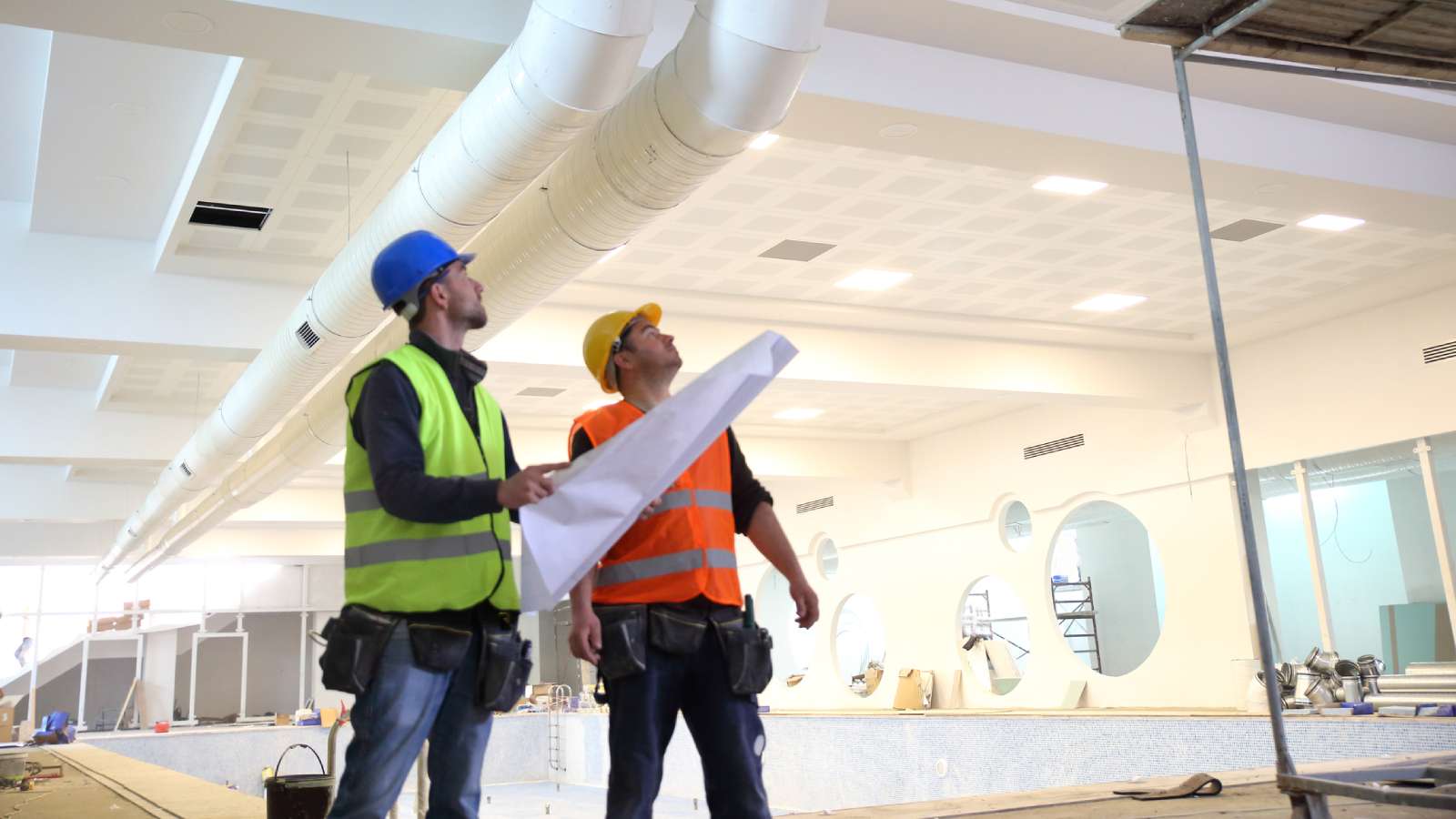
When purchasing a property, one of the most important decisions you will make is how thoroughly you want it inspected before committing to the sale. Understanding the difference between a pre-inspection and a full inspection can help you make informed choices that protect your investment and give you peace of mind.
Both types of inspections serve valuable purposes in the property buying process, but they differ significantly in scope, timing, cost, and the level of detail provided. Choosing the right inspection type depends on your circumstances, the property market conditions, and your risk tolerance.
In this comprehensive guide, we will explore the key differences between pre-inspections and full inspections, help you understand when each type is most appropriate, and provide practical guidance on making the best choice for your property purchase.
Whether you opt for a pre-inspection, a full inspection, or both, having professional eyes assess a property before you buy is one of the smartest investments you can make in your property purchasing journey.
What Is a Pre-Inspection?
A pre-inspection, sometimes called a preliminary inspection or walkthrough inspection, is a preliminary assessment of a property conducted before you make a formal offer. This type of inspection is designed to give you a quick overview of the property's condition and identify any obvious red flags that might affect your decision to proceed.
Pre-inspections are typically shorter in duration, less comprehensive, and more affordable than full building inspections. They provide a general snapshot of the property rather than an exhaustive analysis of every system and component.
Key Characteristics of Pre-Inspections
- Preliminary walkthrough: A visual assessment of the property's main features and accessible areas
- Identifies obvious issues: Focuses on visible defects, structural concerns, and major red flags
- Quick turnaround: Typically completed within 30 to 60 minutes
- Lower cost: Generally 40 to 60 percent less expensive than a full inspection
- Limited scope: Does not cover detailed analysis of all building systems
- Before offer: Conducted prior to making a formal purchase offer
What Pre-Inspections Cover
During a pre-inspection, a qualified inspector will conduct a visual assessment of the property's main areas and systems. While not as detailed as a full inspection, this preliminary review typically includes:
- Visual assessment of the roof condition from ground level
- Exterior walls and cladding for obvious damage or deterioration
- Foundation and subfloor areas for visible signs of movement or damage
- General structural integrity observations
- Obvious signs of water damage, dampness, or mould
- Visible electrical hazards or outdated wiring
- Basic plumbing functionality checks
- Signs of pest activity or timber damage
- General property condition and maintenance level
What Pre-Inspections Do Not Cover
It is important to understand the limitations of a pre-inspection. These preliminary assessments do not include:
- Detailed roof inspections requiring ladder access
- Comprehensive subfloor and crawl space inspections
- Thorough testing of all electrical circuits and safety devices
- Complete plumbing system pressure testing and drainage checks
- HVAC system performance testing and analysis
- Detailed appliance testing and assessment
- Comprehensive moisture testing and thermal imaging
- Detailed written reports with photographs and recommendations
What Is a Full Inspection?
A full building inspection, also known as a comprehensive property inspection or building and pest inspection, is a thorough and detailed evaluation of a property's condition. This inspection is typically conducted after your offer has been accepted, during the due diligence period, and provides an exhaustive assessment of all accessible areas and systems.
Full inspections are conducted according to Australian Standard AS 4349.1 for building inspections and AS 4349.3 for timber pest inspections. These standards ensure a consistent and comprehensive approach to property assessment across Australia.
Key Characteristics of Full Inspections
- Comprehensive evaluation: Detailed assessment of all accessible building elements and systems
- Detailed reporting: Written report listing all defects, potential issues, safety concerns, and recommendations
- Negotiating leverage: Findings can be used to negotiate purchase price or request repairs
- Longer duration: Typically takes 2 to 4 hours depending on property size
- Higher cost: More expensive but provides comprehensive coverage
- After offer acceptance: Conducted during the cooling off or due diligence period
- Standards compliant: Follows Australian Standard requirements
What Full Inspections Cover
A full building inspection provides a comprehensive assessment of the property, including:
- Structural elements: Foundation, footings, walls, floors, ceilings, and roof structure
- Roof exterior: Roof covering, flashings, gutters, downpipes, and ventilation
- Exterior: Cladding, windows, doors, balconies, decks, and verandahs
- Interior: All rooms, fixtures, fittings, and internal finishes
- Subfloor: Stumps, bearers, joists, and subfloor ventilation
- Roof void: Framing, insulation, ventilation, and signs of leaks
- Electrical systems: Switchboard, safety switches, wiring, and power points
- Plumbing: Hot water system, visible pipes, fixtures, and drainage
- HVAC: Heating and cooling systems functionality
- Moisture assessment: Testing for dampness, water ingress, and leaks
- Safety hazards: Asbestos presence, smoke alarms, and other safety concerns
Detailed Inspection Reports
One of the most valuable aspects of a full inspection is the comprehensive written report you receive. A quality inspection report includes:
- Executive summary of key findings and recommendations
- Detailed assessment of each building element inspected
- Photographic evidence of all identified defects
- Classification of defects by severity (minor, significant, major)
- Safety concerns requiring immediate attention
- Maintenance recommendations for future care
- Areas that could not be inspected and reasons why
- Recommendations for further specialist inspections if required
Pre-Inspection vs Full Inspection Comparison
The following table provides a side by side comparison of pre-inspections and full inspections to help you understand the key differences:
| Aspect | Pre-Inspection | Full Inspection |
|---|---|---|
| Scope | Preliminary visual assessment of main areas | Comprehensive evaluation of all accessible areas and systems |
| Timing | Before making an offer | After offer accepted, during due diligence |
| Duration | 30 to 60 minutes | 2 to 4 hours |
| Cost | $150 to $300 | $400 to $800 |
| Detail Level | General overview, identifies obvious issues | Detailed analysis with comprehensive reporting |
| Report | Brief summary or verbal feedback | Detailed written report with photos |
| Best Suited For | Quick decisions in competitive markets | Thorough due diligence before purchase |
| Negotiating Power | Limited, findings not detailed enough | Strong, detailed evidence for negotiations |
| Standards Compliance | Not required to follow standards | Follows AS 4349.1 and AS 4349.3 standards |
| Specialist Areas | Basic timber pest indicators only | Can include comprehensive pest inspection |
Key Areas Examined in Both Inspection Types
While the depth of assessment varies significantly between pre-inspections and full inspections, both types examine certain key areas of the property. Understanding what is assessed can help you appreciate the value each inspection type provides.
Foundation Integrity
The foundation is one of the most critical elements of any building. Foundation problems can be extremely expensive to repair and may affect the entire structure.
- Pre-inspection: Visual check for obvious signs of foundation movement, cracking, or settling from accessible areas
- Full inspection: Comprehensive assessment including subfloor inspection, measurement of floor levels, crack analysis, and assessment of foundation type and condition
Roof Condition
The roof protects the entire property from weather damage. Roof defects can lead to water ingress, structural damage, and costly repairs.
- Pre-inspection: Ground level visual assessment of roof covering, gutters, and any visible damage or deterioration
- Full inspection: Detailed assessment including roof access where safe, examination of roof covering, flashings, valleys, gutters, downpipes, and roof void inspection
Electrical Safety
Electrical defects pose serious safety risks including fire and electrocution hazards. Outdated or faulty electrical systems often require significant investment to bring up to current standards.
- Pre-inspection: Visual check of switchboard, presence of safety switches, obvious wiring concerns, and general power point condition
- Full inspection: Assessment of switchboard condition and capacity, testing of safety switches, examination of visible wiring, testing of power points and light switches, and identification of electrical hazards
Plumbing Systems
Plumbing problems can cause significant damage to a property and can be expensive to repair, particularly if pipes are concealed within walls or under floors.
- Pre-inspection: Basic functionality check of taps and toilets, visual inspection for obvious leaks, and assessment of hot water system type and age
- Full inspection: Comprehensive testing of water pressure, drainage, visible pipe condition, hot water system assessment, and identification of outdated or problematic plumbing materials
HVAC Functionality
Heating, ventilation, and air conditioning systems are significant investments and important for comfort. Understanding their condition helps you budget for potential replacement or repairs.
- Pre-inspection: Visual check of unit condition and basic functionality test if easily accessible
- Full inspection: Testing of heating and cooling functions, assessment of system age and condition, check of ductwork where accessible, and identification of maintenance needs
Appliances
If appliances are included in the sale, understanding their condition helps you assess the overall value of the property and budget for potential replacements.
- Pre-inspection: Visual assessment of appliance condition and age
- Full inspection: Functional testing of included appliances, assessment of age and remaining useful life, and identification of any defects or concerns
Interior and Exterior Elements
Walls, windows, doors, cladding, and other interior and exterior elements contribute to the property's functionality, appearance, and weatherproofing.
- Pre-inspection: General visual assessment of interior and exterior condition, obvious defects, and maintenance level
- Full inspection: Detailed examination of all interior and exterior elements, testing of windows and doors, assessment of cladding and weatherproofing, and identification of all defects and maintenance requirements
When to Choose a Pre-Inspection
Pre-inspections are particularly valuable in certain circumstances. Understanding when a pre-inspection is the right choice can help you make strategic decisions in your property search.
Competitive Markets
In hot property markets where homes sell quickly and often attract multiple offers, conducting a full inspection before making an offer may not be practical. A pre-inspection allows you to:
- Quickly assess properties of interest before auction or offer deadline
- Identify major issues that would eliminate a property from consideration
- Make more informed decisions about how aggressively to bid or offer
- Reduce the risk of purchasing a property with significant hidden problems
Multiple Property Comparisons
When you are comparing several properties and have not yet decided which one to pursue, pre- inspections provide a cost effective way to:
- Screen multiple properties without the expense of full inspections
- Narrow down your shortlist based on condition as well as features
- Identify which properties warrant further investigation with a full inspection
- Make more informed decisions about where to focus your time and resources
Budget Constraints
If you are watching your expenses during the property buying process, a pre-inspection can provide valuable insights at a lower cost. However, it is important to note that:
- A pre-inspection should not replace a full inspection before settlement
- The money saved on pre-inspection should be applied to a full inspection once you are serious about a property
- The cost of missing a significant defect far exceeds the cost difference between inspection types
Quick Decision Making
When you need to make fast decisions about a property, a pre-inspection offers:
- Same day or next day availability in most cases
- Quick turnaround on findings, often verbal feedback on site
- Enough information to make an informed decision about whether to proceed with an offer
- A foundation for subject to inspection clauses in your offer
When to Choose a Full Inspection
A full inspection is the standard practice for property purchases in Australia and is strongly recommended in most circumstances. Here is when a full inspection is essential:
After Offer Acceptance
Once your offer has been accepted and you have entered into a contract, a full inspection should be conducted during the cooling off or due diligence period. This is your opportunity to:
- Thoroughly assess the property before committing to the purchase
- Identify any defects that may affect the property's value or your decision to proceed
- Gather evidence to negotiate price reductions or repairs
- Make an informed decision about whether to proceed with the purchase
High Value Purchases
When purchasing a high value property, the investment in a full inspection is negligible compared to the potential cost of undiscovered defects. For expensive properties:
- The financial stakes are higher, justifying more thorough investigation
- Complex homes often have more systems and features requiring assessment
- Luxury finishes and materials may require specialist knowledge to assess properly
- A comprehensive report provides confidence and documentation of the property's condition
Older Properties
Properties built more than 30 years ago often have issues related to age and historical building practices. A full inspection is crucial for older homes to:
- Identify deterioration of structural elements and building materials
- Assess electrical and plumbing systems that may need upgrading
- Detect asbestos containing materials common in pre-1990 construction
- Evaluate past repairs and renovations that may not meet current standards
- Identify maintenance that has been deferred over the years
Properties with Visible Issues
If you have noticed any concerns during your own viewing of the property, a full inspection is essential to:
- Investigate the cause and extent of visible problems
- Determine whether issues are cosmetic or structural
- Assess the cost of repairs and whether they are feasible
- Identify any related or underlying problems
First Home Buyers
If you are buying your first home, a full inspection is particularly important because:
- You may lack experience in identifying property defects
- The inspector can explain issues and their significance
- The detailed report provides a maintenance guide for your new home
- Understanding the property's condition helps you budget for future expenses
Cost Comparison and Value Analysis
Understanding the costs involved in each inspection type helps you make informed decisions about where to invest in your property purchase process.
Pre-Inspection Costs
Pre-inspections are typically priced between $150 and $300 depending on the property size and location. This includes:
- A 30 to 60 minute on site assessment
- Verbal feedback or brief written summary
- General overview of major concerns
Full Inspection Costs
Full building inspections typically cost between $400 and $800, with combined building and pest inspections ranging from $500 to $900. This investment provides:
- A comprehensive 2 to 4 hour inspection
- Detailed written report with photographs
- Assessment of all accessible areas and systems
- Classification of defects by severity
- Recommendations for repairs and maintenance
Return on Investment
When considering the cost of inspections, it is important to weigh this against the potential savings and risk mitigation they provide:
- Negotiating power: Full inspection findings often result in price reductions of $5,000 to $50,000 or more, far exceeding the inspection cost
- Avoiding costly surprises: Major defects like structural issues, roof replacement, or asbestos removal can cost $20,000 to $100,000 or more
- Peace of mind: Knowing the true condition of a property is invaluable when making such a significant purchase
- Decision making: A full inspection may reveal issues that lead you to walk away from a problematic property entirely
| Inspection Type | Typical Cost | Potential Savings | ROI Potential |
|---|---|---|---|
| Pre-Inspection | $150 to $300 | Avoids pursuing properties with major issues | Moderate |
| Full Inspection | $400 to $800 | $5,000 to $100,000+ in negotiations or avoided repairs | Very High |
| Combined Building and Pest | $500 to $900 | As above plus protection from timber pest damage | Very High |
Benefits of Each Inspection Approach
Both pre-inspections and full inspections offer distinct benefits. Understanding these advantages helps you leverage each inspection type effectively in your property search.
Benefits of Pre-Inspections
- Speed: Quick assessment allows rapid decision making in fast moving markets
- Cost efficiency: Lower cost allows inspection of multiple properties during your search
- Early warning: Identifies major red flags before you invest time and emotion in a property
- Competitive advantage: Gives you confidence to act quickly when a good property comes on the market
- Informed offers: Helps you make offers with knowledge of the property's general condition
- Flexibility: Easy to schedule at short notice during your property search
Benefits of Full Inspections
- Comprehensive coverage: Thorough assessment of all accessible areas and systems
- Detailed documentation: Written report provides evidence for negotiations and future reference
- Negotiating leverage: Specific findings support requests for price reductions or repairs
- Legal protection: Standards compliant inspection provides documentation if disputes arise
- Maintenance planning: Report serves as a guide for future property maintenance
- Peace of mind: Confidence that the property has been thoroughly assessed by a professional
- Hidden defect detection: Identifies issues that are not visible during casual viewing
- Expert interpretation: Inspector explains significance of findings and provides recommendations
Protecting Buyers from Unexpected Expenses
One of the primary purposes of property inspections is to protect buyers from unexpected expenses after purchase. Understanding how inspections provide this protection helps you appreciate their value.
Identifying Hidden Defects
Many significant property defects are not visible during a casual viewing. Professional inspectors are trained to identify:
- Structural movement and foundation issues
- Concealed water damage and moisture problems
- Timber pest activity and damage
- Electrical hazards and non compliant wiring
- Plumbing defects and drainage issues
- Roof defects and potential leak points
- Asbestos containing materials
- Building defects concealed by recent cosmetic renovations
Budgeting for Repairs
Even when defects do not prevent a purchase, knowing about them helps you budget for repairs and maintenance. A thorough inspection report allows you to:
- Plan and prioritise repairs based on urgency and severity
- Obtain quotes for work before committing to the purchase
- Factor repair costs into your overall budget for the property
- Avoid financial stress from unexpected major expenses after settlement
Negotiating Outcomes
Inspection findings provide leverage in purchase negotiations. With documented evidence of defects, you can:
- Request a price reduction reflecting the cost of required repairs
- Ask the vendor to complete repairs before settlement
- Negotiate retention of funds in trust until specified work is completed
- Walk away from the purchase if issues are too significant or costly
Insurance and Warranty Considerations
Understanding a property's condition through inspection also helps with insurance and warranty matters:
- Accurate disclosure of property condition for insurance purposes
- Documentation of existing defects for future reference
- Identification of issues that may affect building warranty claims
- Evidence of property condition at purchase if disputes arise later
A Strategic Approach: Using Both Inspection Types
For many buyers, the most effective approach is to use both pre-inspections and full inspections strategically throughout their property search and purchase process.
Phase 1: Property Search
During your property search phase, use pre-inspections to screen properties of interest:
- Arrange pre-inspections for properties you are seriously considering
- Use findings to eliminate properties with major obvious issues
- Narrow your shortlist to properties worth pursuing further
- Make more confident decisions about which properties to submit offers on
Phase 2: Due Diligence
Once your offer is accepted, proceed with a full inspection during the due diligence period:
- Book a comprehensive building and pest inspection promptly after contract signing
- Review the detailed report thoroughly
- Discuss findings with the inspector to understand their significance
- Make informed decisions about proceeding with the purchase
Phase 3: Negotiation
Use full inspection findings to negotiate the best outcome:
- Present documented defects to the vendor or their agent
- Request appropriate remedies such as price reduction or repairs
- Ensure any agreements are documented in writing
- Proceed to settlement with confidence in your purchase
Frequently Asked Questions
Can I skip the full inspection if I have had a pre-inspection done?
Short answer: No, a pre-inspection should not replace a full inspection before you commit to purchasing a property.
Pre-inspections are designed to give you a quick overview and identify obvious issues, but they do not provide the comprehensive assessment needed to fully understand a property's condition. Many significant defects are only discovered during a thorough full inspection. Think of a pre-inspection as a screening tool and a full inspection as the essential due diligence step before purchase.
How quickly can I get a pre-inspection arranged?
Short answer: Most inspection companies can arrange pre-inspections within 24 to 48 hours, and sometimes same day if schedules permit.
Pre-inspections are designed to be quick and flexible, which is one of their key advantages in competitive markets. Because they take less time to complete than full inspections, inspectors can often fit them into their schedules at short notice. When you find a property you are interested in, contact an inspection company immediately to check availability.
What happens if a full inspection reveals major problems after I have made an offer?
Short answer: You can typically negotiate with the vendor, request repairs, seek a price reduction, or withdraw from the contract during the cooling off period.
This is exactly why full inspections are conducted during the due diligence or cooling off period. If significant defects are discovered, you have options. You can negotiate with the vendor for repairs or a price reduction that reflects the cost of addressing the issues. If the problems are too severe, you can exercise your cooling off rights to withdraw from the contract, although you may forfeit a small deposit. Always consult your solicitor or conveyancer about your specific rights and options.
Should I attend the inspection or just wait for the report?
Short answer: Attending the inspection, particularly for a full inspection, is highly recommended as it allows you to see issues firsthand and ask questions.
While you will receive a detailed report, attending the inspection provides valuable benefits. You can see defects firsthand rather than just in photos. The inspector can explain issues in context and answer your questions on the spot. You get a better sense of the property's overall condition and maintenance level. For pre-inspections, on site verbal feedback is often the primary deliverable, making attendance essential.
Are pre-inspections worth the money if I am going to get a full inspection anyway?
Short answer: Yes, in competitive markets or when comparing multiple properties, pre-inspections can save you time, money, and heartache.
A pre-inspection can identify major issues before you make an offer and become emotionally invested in a property. If the pre-inspection reveals significant problems, you save the cost of a full inspection and the time involved in the offer and due diligence process. In fast moving markets, pre-inspections also give you confidence to make competitive offers knowing you have at least a general understanding of the property's condition.
Do inspection findings guarantee there are no other problems with the property?
Short answer: No, inspections assess visible and accessible areas only and cannot guarantee the absence of concealed or future defects.
Both pre-inspections and full inspections have limitations. Inspectors can only assess areas that are accessible and visible at the time of inspection. Defects concealed within walls, under floor coverings, or in inaccessible spaces may not be detected. Future issues that have not yet manifested cannot be predicted. This is why reputable inspectors clearly state the limitations of their inspection and recommend further investigation when they identify concerns that warrant specialist assessment.
Choosing the Right Building Inspector
Whether you opt for a pre-inspection, a full inspection, or both, choosing a qualified and experienced inspector is essential for getting accurate and useful results.
Qualifications to Look For
- Licensing: Ensure the inspector holds appropriate building inspection licenses for your state
- Insurance: Professional indemnity and public liability insurance protects you and the inspector
- Experience: Look for inspectors with extensive experience in the type of property you are purchasing
- Membership: Membership of professional bodies such as the Master Builders Association indicates commitment to standards
- Pest qualifications: If you need a combined building and pest inspection, ensure the inspector or their team holds timber pest inspection qualifications
Questions to Ask
- What qualifications and licenses do you hold?
- How long have you been conducting building inspections?
- Do you carry professional indemnity insurance?
- What does your inspection include and exclude?
- How long will the inspection take?
- When will I receive the report?
- Can I attend the inspection?
- What equipment do you use?
Key Takeaways
- Pre-inspections provide a quick, affordable preliminary assessment ideal for competitive markets and screening multiple properties.
- Full inspections are comprehensive evaluations that should be conducted during the due diligence period before committing to purchase.
- Pre-inspections cost $150 to $300 and take 30 to 60 minutes, while full inspections cost $400 to $800 and take 2 to 4 hours.
- Both inspection types examine key areas including foundation, roof, electrical, plumbing, HVAC, and structural elements, but at different levels of detail.
- Full inspections provide detailed reports with photographs, defect classifications, and recommendations that support purchase negotiations.
- Using both inspection types strategically throughout your property search provides the best protection and value.
- A pre-inspection should never replace a full inspection, as many significant defects are only identified through comprehensive assessment.
- Choose qualified, licensed, and insured inspectors to ensure accurate and reliable results from either inspection type.
References and Resources
- NSW Fair Trading
- Consumer Affairs Victoria
- Queensland Building and Construction Commission (QBCC)
- Australian Building Inspection Services
- Standards Australia (AS 4349.1 and AS 4349.3)
Get Professional Building Inspections Across Australia
Whether you need a quick pre-inspection to screen properties or a comprehensive full inspection before purchase, our licensed building inspectors provide thorough assessments with detailed reports. We service properties throughout New South Wales, Victoria, and Queensland.
Book an Inspection