
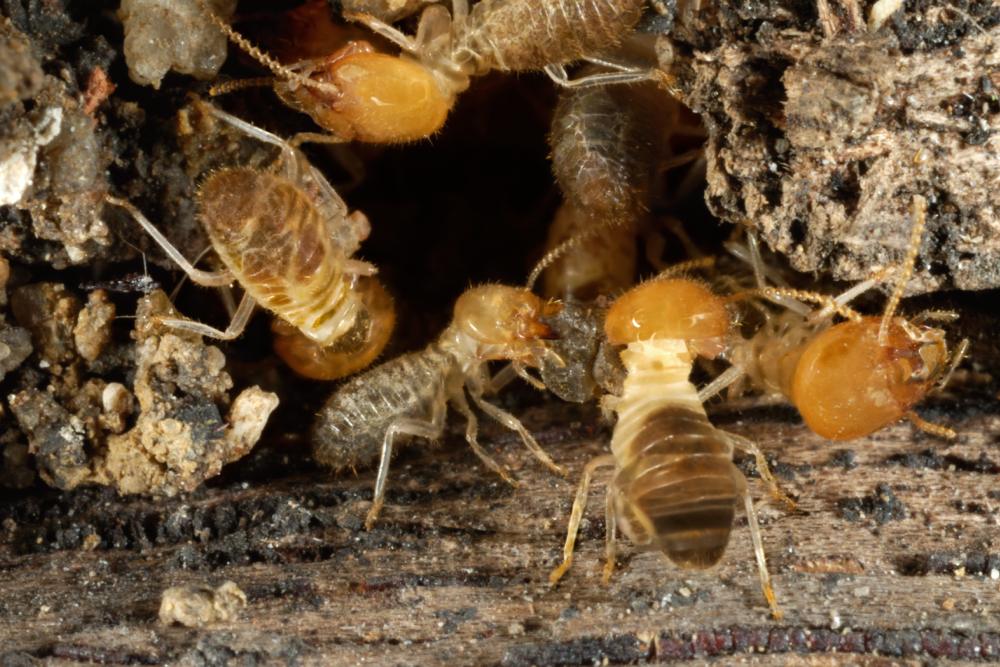
A Gold Coast family recently made headlines after facing over $300,000 in expenses when they discovered their newly purchased home had extensive concealed termite damage. As reported by ABC News, the family had no idea of the infestation until structural problems began appearing months after settlement. Their story is a stark reminder of why termite inspections are not just recommended in Brisbane and South East Queensland, they are essential.
Brisbane's warm, humid subtropical climate creates ideal conditions for termite activity year round. With average temperatures rarely dropping below 10 degrees Celsius and humidity levels that termites thrive in, properties throughout the greater Brisbane region face elevated risk compared to many other parts of Australia. Understanding when to schedule a termite inspection can mean the difference between early detection and catastrophic structural damage.
Whether you are a homeowner maintaining your property, a buyer conducting due diligence, or a seller preparing for market, this comprehensive guide will help you understand the unique termite risks facing Brisbane properties and when professional inspection is most critical.
In South East Queensland, termites cause more damage to homes than fire, flood, and storms combined. Yet most home insurance policies exclude termite damage entirely, leaving homeowners to bear the full cost of repairs.
Why Brisbane Properties Are at High Risk for Termite Infestations
Brisbane and the surrounding areas of South East Queensland represent one of the highest termite risk zones in Australia. Several environmental and geographical factors combine to create conditions that termites find irresistible.
Climate Conditions
Brisbane's subtropical climate provides termites with their ideal living conditions throughout the entire year. The key climate factors include:
- Warm temperatures: Brisbane's average temperatures range from 15 to 25 degrees Celsius in winter and 21 to 29 degrees Celsius in summer, falling within the optimal range for termite activity and reproduction
- High humidity: Average humidity levels of 60 to 70 percent provide the moisture termites need to survive and build their colonies
- Consistent rainfall: Brisbane receives approximately 1,150 millimetres of rain annually, keeping soil moisture levels high year round
- No harsh winters: Unlike southern states, Brisbane rarely experiences cold temperatures that slow termite activity
Soil and Geographical Factors
The soil composition and geography of greater Brisbane also contribute to elevated termite risk:
- Clay and loam soils retain moisture, providing ideal conditions for nest building
- Native bushland and parklands throughout suburban areas serve as natural termite habitats
- Established trees in older suburbs provide food sources and potential nest sites close to homes
- River systems and creek beds create corridors for termite activity across large areas
Housing Stock Considerations
The characteristics of Brisbane's housing stock present additional termite vulnerabilities:
- Many older Brisbane homes feature timber construction, including weatherboard exteriors and hardwood frames
- Traditional Queenslander homes with timber subfloors provide easy termite access points
- Post-war housing stock often lacks modern termite management systems
- Even newer brick veneer homes contain substantial timber in roof trusses, frames, and internal structures
When to Schedule a Termite Inspection in Brisbane
Knowing when to schedule a termite inspection is crucial for Brisbane property owners. While annual inspections should be your baseline, several circumstances warrant immediate professional assessment.
Annual Inspections as a Preventative Measure
The Australian Standard AS 3660.2 recommends at least annual termite inspections for all properties in high-risk areas like Brisbane. However, many pest management professionals recommend six-monthly inspections for South East Queensland properties due to the year-round termite activity.
Annual inspections are essential because:
- Termites can establish a colony and cause significant structural damage within 12 months
- Regular inspections allow early detection before damage becomes severe
- Chemical barriers and treatment systems require annual verification to ensure effectiveness
- Changes to your property or neighbouring properties may create new termite access points
After Severe Weather Events
Brisbane's storm season, typically from November to March, brings heavy rainfall, flooding, and cyclonic conditions that significantly increase termite risk. Schedule an inspection after:
- Heavy rainfall and flooding: Moisture-softened soil creates easier access pathways for subterranean termites to reach your home
- Severe storms: Fallen branches and debris against buildings provide termite food sources and shelter tubes
- Prolonged wet periods: Extended moisture elevates humidity in subfloor areas, attracting termite activity
- Any water damage: Leaking roofs, burst pipes, or drainage problems create conditions termites actively seek out
Before Buying a Property
A pre-purchase termite inspection is essential for any Brisbane property transaction. The Gold Coast family mentioned in the ABC News story would have potentially avoided their $300,000 ordeal with a thorough pre-purchase inspection.
Pre-purchase inspections should:
- Be conducted by a licensed, independent inspector not connected to the seller
- Include thermal imaging and moisture detection equipment
- Cover all accessible areas including subfloor, roof void, and external structures
- Provide a detailed written report identifying any current activity or conducive conditions
Before Selling a Property
As a seller in Brisbane, obtaining a current termite inspection report offers several advantages:
- Demonstrates transparency and builds buyer confidence
- Allows you to address any issues before listing, potentially increasing sale price
- Reduces the risk of post-sale disputes or legal action
- May speed up the sale process by eliminating buyer inspection waiting periods
Before Starting Major Renovations
Renovation work can disturb existing termite barriers and create new vulnerabilities. Schedule an inspection before:
- Extending or adding rooms to your home
- Installing new decking or outdoor structures
- Excavating near the building foundations
- Altering drainage or landscaping around the property
- Any construction that involves soil disturbance near the building
Warning Signs of Termite Infestation to Watch For
Termites are often called silent destroyers because they can cause significant structural damage before becoming visible to homeowners. However, there are warning signs that may indicate termite activity in your Brisbane home. Being vigilant about these signs can prompt early inspection and potentially save thousands in repair costs.
| Warning Sign | What It Indicates | Where to Look |
|---|---|---|
| Hollow sounding wood | Termites consume timber from the inside out, leaving a thin veneer of wood or paint | Door frames, window frames, skirting boards, architraves |
| Sagging floors | Floor joists or bearers have been weakened by termite damage | Throughout the home, particularly in wet areas and near external walls |
| Cracked or bubbling paint | Moisture from termite activity causing paint to lift or crack | Walls, door frames, window frames, any painted timber surfaces |
| Mud tubes or shelter tubes | Subterranean termites build these protective tunnels to travel between soil and food sources | External walls, foundations, subfloor piers, fence posts |
| Tight fitting doors and windows | Moisture produced by termites causes timber to swell and warp | All doors and windows throughout the property |
| Discarded wings | Reproductive termites (alates) shed wings after swarming, usually in spring and early summer | Window sills, door frames, light fittings, spider webs |
| Frass (termite droppings) | Small pellets or fine powder indicating drywood termite activity | Near wooden furniture, window sills, beneath wooden structures |
| Clicking or rustling sounds | Worker termites eating or soldier termites head-banging to signal danger | Inside walls, particularly at night when the house is quiet |
| Power failures or flickering | Termites can damage electrical wiring insulation while tunnelling through walls | Wall cavities, roof spaces, subfloor areas |
It is important to understand that termites are extremely sneaky. They deliberately avoid exposure to light and air, meaning they can establish large colonies and cause significant structural damage long before any visible signs appear. By the time you notice symptoms like sagging floors or hollow sounding timber, the infestation may have been active for months or even years.
The Professional Termite Inspection Process
Understanding what happens during a professional termite inspection helps you prepare for the visit and appreciate the thoroughness required for accurate detection. A comprehensive inspection conducted according to Australian Standard AS 4349.3 involves systematic examination of all accessible areas.
Initial Assessment and Planning
The inspection begins with an overview discussion where the inspector will:
- Review any previous termite inspection reports or treatment history
- Ask about any signs or concerns you have noticed
- Identify property features that may affect inspection access
- Explain what the inspection will cover and any limitations
Exterior Inspection
The inspector examines the entire exterior perimeter of your property, looking for:
- Mud tubes on external walls, foundations, and fence lines
- Signs of termite damage to external timber elements
- Conditions conducive to termite attack, such as timber-to-ground contact
- Garden beds, mulch, or debris against walls that may harbour termites
- Tree stumps, stored timber, or firewood near the building
- Drainage issues or moisture problems around the foundation
- Condition of existing termite barriers or treatment systems
Interior Inspection
Inside the property, the inspector systematically examines:
- All accessible rooms, checking skirting boards, door frames, and window frames
- Built-in wardrobes and cupboard interiors
- Wet areas including bathrooms, laundry, and kitchen
- Garage and storage areas
- Any visible timber structural elements
Subfloor Inspection
For properties with accessible subfloor areas, this is often where termite activity is first detected. The inspector will:
- Examine all timber piers, bearers, and floor joists
- Check for mud tubes on piers and foundation walls
- Assess moisture levels and ventilation conditions
- Identify any timber debris or stored materials that attract termites
Roof Void Inspection
Access to the roof void allows inspection of:
- Roof timbers, trusses, and rafters
- Top plates and wall frames visible from above
- Signs of moisture ingress that may attract termites
- Evidence of previous or current termite activity
Advanced Detection Technology
Modern termite inspections utilise specialised equipment to detect hidden activity that cannot be seen with visual inspection alone:
- Thermal imaging cameras: Detect temperature variations behind walls and in concealed spaces that may indicate termite presence
- Moisture meters: Identify elevated moisture levels that both attract termites and result from their activity
- Termatrac radar devices: Detect movement of termites within walls without the need for invasive drilling
- Borescopes: Allow visual inspection inside wall cavities and other confined spaces through small holes
- Sounding tools: Help identify hollow areas in timber that may indicate internal damage
Inspection Duration
A thorough termite inspection for an average-sized Brisbane home typically takes between 1 to 2 hours. Factors that may extend this timeframe include:
- Larger property size or multiple buildings
- Complex construction with many concealed spaces
- Limited accessibility requiring extra time to reach inspection areas
- Detection of termite activity requiring detailed documentation
- Extensive use of thermal imaging and other detection equipment
The Inspection Report
Following the inspection, you will receive a detailed written report that includes:
- Areas inspected and any areas that could not be accessed
- Evidence of any current or previous termite activity
- Identification of termite species if activity is found
- Conditions conducive to termite attack
- Recommendations for treatment if required
- Recommendations for preventative measures
- Photographs documenting findings
Types of Termites Found in Brisbane
Several termite species pose threats to Brisbane properties, each with different behaviours and damage potential. Understanding these species helps inform appropriate treatment strategies.
| Species | Characteristics | Damage Potential |
|---|---|---|
| Coptotermes acinaciformis | Large colonies of up to 1 million individuals. Highly aggressive. Nest in trees, stumps, or underground. | Most destructive species in Australia. Can cause severe structural damage within months. |
| Schedorhinotermes species | Second most common destructive genus. Colonies typically smaller than Coptotermes. Often nest in tree stumps and root crowns. | Highly destructive. Often multiple nests attack same structure. |
| Nasutitermes species | Build distinctive mounds or arboreal nests. Common throughout Brisbane suburbs. | Moderate damage potential. Attack weathered timber and may enter buildings. |
| Heterotermes ferox | Smaller species that attacks timber in contact with or close to ground. | Moderate damage to damp or decaying timber. Often first species to attack. |
| Cryptotermes species (Drywood termites) | Do not require soil contact. Live entirely within the timber they consume. | Slower damage but can infest furniture, picture frames, and structural timber directly. |
| Mastotermes darwiniensis | Giant Northern termite. Occasionally found in northern Queensland. | Extremely destructive. Can destroy a home in months. Rarely found in Brisbane. |
Coptotermes acinaciformis is responsible for the majority of termite damage to Brisbane homes. This species is particularly concerning because of its large colony sizes, aggressive feeding behaviour, and ability to travel significant distances from the nest to find food sources. A single Coptotermes colony can consume up to 500 grams of timber per day.
Termite Prevention Strategies for Brisbane Homes
While regular inspections are essential for early detection, implementing prevention strategies can significantly reduce your property's termite risk and potentially deter infestations before they establish.
Moisture Management
Termites require moisture to survive, making moisture management one of the most effective prevention strategies:
- Fix leaking taps, pipes, showers, and toilets promptly
- Ensure downpipes discharge away from building foundations
- Maintain adequate drainage around the property
- Ensure air conditioning units drain away from walls
- Improve ventilation in subfloor areas to reduce humidity
- Address any rising damp or water ingress issues
- Keep gutters clear to prevent overflow against walls
Garden and Landscaping Practices
Your garden and landscaping can either attract or deter termites:
- Remove dead trees, stumps, and timber debris from your property
- Keep mulch at least 300 millimetres away from building foundations
- Use termite-resistant mulch alternatives near buildings
- Maintain a clear inspection zone around the building perimeter
- Do not use untreated timber for garden edging or retaining walls near the house
- Store firewood well away from the home and elevated off the ground
- Trim vegetation to prevent contact with external walls
Building Maintenance
Maintaining your building in good condition helps eliminate termite entry points:
- Ensure weep holes in brick veneer are clear and not bridged by soil or debris
- Maintain physical termite barriers and shields in good condition
- Repair cracks in concrete slabs and foundation walls
- Do not attach timber structures directly to the building without proper barriers
- Avoid storing cardboard boxes, newspapers, or timber against walls
- Seal gaps around pipes and conduits entering the building
Professional Termite Management Systems
Consider installing professional termite management systems for ongoing protection:
- Chemical soil treatments: Create a treated zone around the building perimeter that kills or repels termites
- Termite monitoring stations: Detect termite activity early through regular checking of bait stations
- Baiting systems: Attract termites to bait that is then taken back to the colony, eliminating the entire nest
- Physical barriers: Stainless steel mesh or crusite particle barriers that termites cannot penetrate
Cost of Termite Inspections vs Cost of Damage
Understanding the financial implications helps put the value of regular termite inspections into perspective. The investment in prevention is minimal compared to the potential cost of repairs.
| Item | Typical Cost Range | Notes |
|---|---|---|
| Annual termite inspection | $250 to $400 | Standard residential property with thermal imaging |
| Combined building and pest inspection | $400 to $700 | Pre-purchase inspections for buyers |
| Termite treatment (chemical barrier) | $2,500 to $5,000 | Full perimeter treatment for average home |
| Termite baiting system | $2,000 to $4,000 | Installation plus annual monitoring |
| Minor termite damage repairs | $5,000 to $15,000 | Skirting boards, door frames, limited timber replacement |
| Moderate termite damage repairs | $15,000 to $50,000 | Floor joists, wall framing, subfloor structural repairs |
| Severe termite damage repairs | $50,000 to $150,000+ | Major structural repairs, restumping, reconstruction |
| Catastrophic damage | $150,000 to $300,000+ | Extensive structural failure requiring partial or complete rebuild |
The Gold Coast family facing $300,000 in expenses represents a worst-case scenario, but such outcomes are not uncommon when termite damage goes undetected for extended periods. When you consider that a $300 annual inspection could prevent hundreds of thousands in damage, the return on investment is clear.
Standard home and contents insurance in Australia does not cover termite damage. Insurance companies classify termite damage as a maintenance issue rather than sudden or accidental damage. This means homeowners bear the full financial burden of repairs, making prevention through regular inspections your only real protection.
High Risk Areas for Termites in Greater Brisbane
While all Brisbane properties face elevated termite risk, certain areas and property types warrant additional vigilance:
Suburbs Near Bushland and Green Spaces
Properties adjacent to native bushland, parks, and green corridors face higher risk due to natural termite populations in these areas. Brisbane suburbs with significant bushland interfaces include:
- The Gap, Ferny Grove, and Keperra in the northwest
- Mount Coot-tha, Bardon, and Paddington near inner west bushland
- Chapel Hill, Kenmore, and Brookfield in the western suburbs
- Carindale, Belmont, and Chandler near Belmont Hills
- Redland Bay area and bayside suburbs with remnant vegetation
Older Established Suburbs
Older Brisbane suburbs with established trees and traditional Queenslander homes often face elevated risk:
- Character homes with timber subfloors and weatherboard construction
- Properties with mature trees that may harbour termite nests
- Older homes that may lack modern termite management systems
- Areas where previous termite activity may be established in the neighbourhood
Flood-Prone Areas
Properties in Brisbane's flood-prone areas face increased risk during and after flooding events:
- Areas along the Brisbane River and its tributaries
- Low-lying suburbs prone to flash flooding
- Properties with inadequate drainage that remain damp
Frequently Asked Questions
How much does a termite inspection cost in Brisbane?
Short answer: A professional termite inspection in Brisbane typically costs between $250 and $400 for a standard residential property.
The cost varies based on property size, accessibility of subfloor and roof void, and whether advanced equipment like thermal imaging is included. Combined building and pest inspections, often requested for property purchases, range from $400 to $700. Given that termite damage repairs can cost tens to hundreds of thousands of dollars, the inspection fee represents excellent value for early detection and peace of mind.
How often should Brisbane homeowners get termite inspections?
Short answer: Annual inspections are the minimum recommendation, with many pest professionals recommending six-monthly inspections for South East Queensland properties.
Brisbane's subtropical climate supports year-round termite activity, unlike southern states where activity decreases in winter. Properties with previous termite history, those near bushland, or older homes with timber subfloors should consider more frequent inspections. The Australian Standard AS 3660.2 recommends at least annual inspections for all properties in high-risk areas.
What time of year is best for termite inspections in Brisbane?
Short answer: Termite inspections can be conducted year-round in Brisbane, but spring and summer are when activity is typically highest.
Unlike cooler climates, Brisbane's mild winters mean termites remain active throughout the year. However, spring (September to November) is swarming season when reproductive termites fly out to establish new colonies, making it an ideal time for inspection. Post-storm inspections after the summer wet season are also particularly valuable as increased moisture can trigger new infestations.
Do new homes in Brisbane need termite inspections?
Short answer: Yes, even new homes require annual termite inspections to ensure protection systems remain effective and detect any new activity.
New homes built under the National Construction Code must have termite management systems installed, but these are not permanent solutions. Chemical barriers degrade over time, and physical barriers can be compromised by landscaping, renovations, or settling. Annual inspections verify that protection systems remain intact and effective. Some termite warranty programs require annual inspections to maintain coverage.
Should I get a termite inspection before buying a Brisbane property?
Short answer: Absolutely. A pre-purchase termite inspection is essential for any property purchase in Brisbane and South East Queensland.
The story of the Gold Coast family facing $300,000 in repair costs highlights why pre-purchase inspections are critical. A thorough inspection by an independent, licensed professional can identify existing termite activity, evidence of previous damage, and conditions conducive to future infestation. The inspection cost is negligible compared to the potential financial exposure of purchasing a termite-damaged property.
Can termites come back after treatment in Brisbane?
Short answer: Yes, termites can return after treatment, which is why ongoing monitoring and annual inspections remain essential.
Treatment eliminates current infestations but does not guarantee permanent protection. Chemical barriers degrade over time, typically requiring retreatment every 5 to 8 years depending on the product used. New termite colonies in the area can attempt to access your property. Changes to landscaping or building work can create new entry points. Baiting systems require ongoing monitoring to remain effective. Annual inspections ensure your property stays protected.
What should I do if I find termites in my Brisbane home?
Short answer: Do not disturb the termites. Contact a licensed pest control professional immediately for assessment and treatment.
If you discover termites, it is crucial not to spray them with insecticide, disturb them, or attempt DIY treatment. Disturbing termites can cause them to relocate to other parts of your home, making treatment more difficult and potentially spreading the damage. A professional will assess the extent of activity, identify the species, and recommend appropriate treatment. Treatment options may include baiting systems, chemical barriers, or a combination approach.
Does a building inspection include termite inspection in Brisbane?
Short answer: A standard building inspection does not include a termite inspection. These are separate assessments governed by different Australian Standards.
Building inspections follow AS 4349.1 and focus on structural condition, defects, and maintenance issues. Termite inspections follow AS 4349.3 and specifically assess timber pest activity. For property purchases, combined building and pest inspections are recommended to cover both aspects. Ensure your inspector is qualified to conduct both types of assessments or engage separate specialists.
Choosing a Qualified Termite Inspector in Brisbane
Selecting the right termite inspector is crucial for accurate assessment and reliable results. Here are the key factors to consider when choosing an inspector in Brisbane:
Licensing and Qualifications
- Verify the inspector holds a current Queensland pest management licence
- Check for QBCC (Queensland Building and Construction Commission) licensing where applicable
- Look for membership in professional associations such as AEPMA (Australian Environmental Pest Managers Association)
- Confirm they follow Australian Standard AS 4349.3 for timber pest inspections
Experience and Reputation
- Choose inspectors with extensive experience in Brisbane and South East Queensland
- Request references or check online reviews from previous clients
- Ask about their experience with local termite species and conditions
- Verify how many inspections they have conducted in your area
Equipment and Technology
- Confirm they use thermal imaging cameras for detecting concealed termite activity
- Ask about moisture meters and other detection equipment
- Enquire whether they use Termatrac or similar radar detection devices
- Modern equipment significantly improves detection rates for hidden infestations
Insurance and Warranties
- Verify the inspector carries professional indemnity insurance
- Check for adequate public liability coverage
- Understand what is covered in their inspection and any limitations
- Ask about their report guarantee and follow-up policy
Report Quality and Turnaround
- Request a sample report to assess thoroughness and clarity
- Confirm when you will receive the written report
- Ensure reports include photographs documenting findings
- Verify reports clearly state any areas that could not be accessed
Key Takeaways
- Brisbane's warm, humid subtropical climate creates ideal year-round conditions for termite activity, placing all local properties at elevated risk.
- Annual termite inspections are the minimum recommendation, with many professionals suggesting six-monthly inspections for South East Queensland properties.
- Schedule additional inspections after severe weather events, before property transactions, and before major renovations.
- Warning signs include hollow sounding wood, sagging floors, cracked paint, mud tubes, and discarded wings, but termites often cause significant damage before visible signs appear.
- Professional inspections using thermal imaging and moisture detection can identify hidden infestations that visual inspection alone cannot detect.
- Standard home insurance does not cover termite damage, making prevention through regular inspection your only real financial protection.
- Inspection costs of $250 to $400 are minimal compared to potential repair costs ranging from $5,000 to over $300,000.
- Prevention strategies including moisture management, garden maintenance, and professional treatment systems complement regular inspections for comprehensive protection.
References and Resources
- Queensland Building and Construction Commission (QBCC)
- Queensland Government Termite Information
- Australian Environmental Pest Managers Association (AEPMA)
- Standards Australia (AS 4349.3 and AS 3660.2)
- CSIRO (Commonwealth Scientific and Industrial Research Organisation)
Protect Your Brisbane Home from Termites
Do not let your property become another termite damage statistic. Our QBCC-licensed inspectors use thermal imaging and advanced detection technology to identify termite activity before it causes costly damage. Detailed inspection reports delivered within 24 hours.
Book Your Termite Inspection