
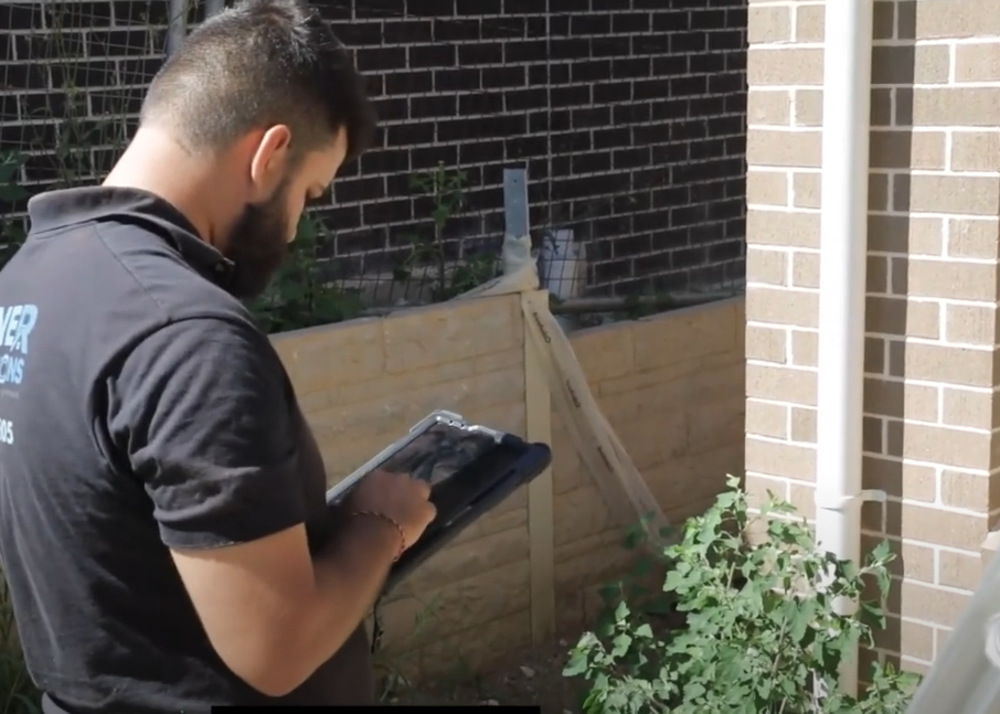
House inspections have become a cornerstone of the Australian property market, with a 2023 Property Tribune report indicating a 78% surge in inspection attendance across Australian markets. Whether you are buying your first home, selling a property, or simply maintaining your investment, understanding the intricacies of house inspections is essential for making informed decisions.
A house inspection provides a detailed assessment of a property's condition, revealing potential issues that may not be visible during a standard viewing. From structural integrity to electrical systems, plumbing infrastructure to pest infestations, a comprehensive inspection covers every aspect of the property that could affect its value, safety, and liveability.
This guide will walk you through everything you need to know about house inspections in Australia, from understanding what they involve to interpreting your inspection report and taking appropriate action based on the findings.
A thorough house inspection is not merely a formality but a critical step in property transactions that can save thousands of dollars and prevent significant headaches down the track. Understanding what inspectors look for and how to interpret their findings empowers you to make confident property decisions.
What Is a House Inspection?
A house inspection is a detailed professional assessment conducted by a qualified building inspector to evaluate the overall condition of a residential property. This comprehensive evaluation examines the structural integrity, safety systems, and functionality of various components throughout the home.
During a house inspection, the inspector systematically examines both the interior and exterior of the property, documenting their findings in a detailed report. The goal is to identify existing defects, potential problems, and maintenance issues that could affect the property's value, safety, or habitability.
Key Areas Assessed During a House Inspection
A comprehensive house inspection typically covers the following areas:
- Structural elements: Foundation, walls, floors, ceilings, and roof structure
- Building envelope: Roof cladding, gutters, external walls, windows, and doors
- Internal systems: Electrical wiring, plumbing, drainage, and ventilation
- Safety features: Smoke detectors, handrails, balustrades, and emergency exits
- Site conditions: Drainage, landscaping, retaining walls, and fencing
- Wet areas: Bathrooms, laundry, and kitchen for signs of water damage or leaks
Types of House Inspections
There are several types of house inspections available, each serving different purposes:
- Pre-purchase inspections: Conducted before buying a property to identify defects and potential issues
- Pre-sale inspections: Undertaken by vendors to identify and address issues before listing
- Building and pest inspections: Combines structural assessment with timber pest (termite) inspection
- New construction inspections: Stage inspections during building and handover inspections for new homes
- Maintenance inspections: Regular assessments to identify maintenance needs and prevent deterioration
- Specific issue inspections: Targeted assessments for mould, asbestos, drainage, or other specific concerns
Why House Inspections Matter
House inspections serve multiple critical functions in property ownership and transactions. Understanding their importance helps buyers, sellers, and owners appreciate why this investment is worthwhile.
Transaction Transparency
For property transactions, house inspections provide essential transparency between buyers and sellers. They reveal the true condition of a property beyond what is visible during a standard viewing, enabling both parties to negotiate fairly based on factual information.
- Buyers can make informed decisions about whether to proceed with a purchase
- Sellers can address issues before listing to avoid surprises during negotiations
- Negotiated prices can reflect the actual condition of the property
- Both parties have documented evidence of the property's condition at the time of sale
Preventative Maintenance
Regular house inspections are not just for property transactions. They play a vital role in preventative maintenance for homeowners:
- Early detection: Identifying problems before they escalate into costly repairs
- Planned budgeting: Understanding upcoming maintenance needs allows for financial planning
- Property preservation: Maintaining the structural integrity and value of your investment
- Safety assurance: Ensuring the home remains safe for occupants
Financial Protection
The cost of a house inspection is minimal compared to the potential financial implications of undiscovered defects:
- Major structural repairs can cost tens of thousands of dollars
- Termite damage remediation often exceeds $10,000
- Replumbing or rewiring an entire house is a significant expense
- Foundation repairs can be among the most expensive home repairs
The average cost of a comprehensive building inspection in Australia ranges from $400 to $800, depending on the property size and location. This investment can potentially save buyers from purchasing a property with defects that could cost tens of thousands of dollars to rectify.
Professional vs. DIY Approach
While some homeowners may be tempted to conduct their own property assessments, there are significant advantages to engaging a qualified professional inspector.
Expert Credentials and Knowledge
Professional building inspectors bring specialised knowledge and training that the average homeowner simply does not possess:
- Technical expertise: Understanding of building codes, construction methods, and common defect patterns
- Industry experience: Years of inspecting properties across various ages, styles, and conditions
- Ongoing education: Staying current with building regulations and industry best practices
- Objectivity: Providing unbiased assessments without emotional attachment to the property
Advanced Diagnostic Equipment
Professional inspectors utilise specialised equipment that enhances their ability to detect issues:
- Thermal imaging cameras: Detect moisture, insulation gaps, and electrical hotspots invisible to the naked eye
- Moisture meters: Measure moisture levels in building materials to identify water damage
- Bore scopes: Inspect cavities and concealed spaces without destructive testing
- Electronic levels: Precisely measure floor and wall alignment
- Termite detection devices: Radar and acoustic equipment to detect pest activity
When to Engage a Professional
While you can conduct your own visual inspections between professional assessments, there are situations where engaging a qualified inspector is essential:
- Before purchasing any property, regardless of age or condition
- When selling a property to identify issues that may affect the sale
- After severe weather events such as storms, floods, or bushfires
- When you notice signs of potential problems such as cracks, leaks, or pest activity
- As part of regular maintenance, typically every 3 to 5 years for owned properties
- Before and after major renovations or extensions
Limitations of DIY Inspections
DIY inspections have significant limitations that can result in missed defects:
- Inability to access roof voids, subfloor areas, and other confined spaces safely
- Lack of knowledge about what constitutes a defect versus normal building behaviour
- No specialised equipment to detect hidden moisture, pests, or electrical issues
- Emotional attachment may cloud judgment when assessing a potential purchase
- No professional documentation or liability coverage for missed issues
Inspection Components: What Gets Examined
A comprehensive house inspection covers numerous components and systems throughout the property. Understanding what is examined helps you appreciate the scope of the assessment.
Structural Elements
The structural elements form the backbone of any building and are critical to its safety and longevity:
- Foundation: Inspectors check for cracks, settlement, moisture intrusion, and structural integrity
- Floor framing: Assessment of floor joists, bearers, and subfloor supports for damage or deterioration
- Wall framing: Evaluation of wall structure, including load-bearing walls and tie-down systems
- Roof structure: Inspection of rafters, trusses, battens, and ridge beams
- Ceiling structure: Assessment of ceiling joists and any visible damage
Electrical Systems
Electrical inspections focus on safety and compliance with current standards:
- Switchboard: Condition, safety switches (RCDs), circuit breakers, and wiring connections
- Wiring: Visual assessment of accessible wiring for damage, deterioration, or non-compliant installations
- Power points and switches: Testing for functionality and safety
- Light fittings: Condition and proper installation
- Smoke detectors: Presence, placement, and functionality
Note: Building inspectors conduct visual assessments of electrical systems. For detailed electrical testing and certification, a licensed electrician should be engaged.
Plumbing Infrastructure
Plumbing inspections examine water supply, drainage, and associated fixtures:
- Water supply: Pipes, taps, water pressure, and evidence of leaks
- Drainage: Visible pipes, drain flow, and potential blockages
- Hot water system: Type, age, condition, and installation compliance
- Toilets and cisterns: Operation, seals, and connections
- Wet area waterproofing: Signs of failure in bathrooms, laundry, and kitchen
HVAC Equipment
Heating, ventilation, and air conditioning systems are assessed for condition and function:
- Air conditioning units: Condition, age, and basic operation
- Heating systems: Gas heaters, ducted heating, and fireplace safety
- Ventilation: Exhaust fans, roof ventilation, and subfloor ventilation
- Ductwork: Visible condition and insulation
Insulation
Insulation assessment includes:
- Presence and type of ceiling insulation
- Coverage and condition of insulation material
- Identification of gaps or areas lacking insulation
- Signs of rodent damage or contamination
Appliances
If appliances are included in the sale, inspectors may conduct basic assessments:
- Ovens, cooktops, and rangehoods
- Dishwashers
- Built-in microwaves or other appliances
- Pool or spa equipment
Exterior Features
External inspections cover all aspects of the property's exterior:
- Roof cladding: Tiles, metal sheets, or other roofing materials for damage or deterioration
- Gutters and downpipes: Condition, alignment, and drainage
- External walls: Cladding condition, cracks, and weatherproofing
- Windows and doors: Operation, seals, and condition
- Balconies and decks: Structure, waterproofing, and safety barriers
- Driveways and paths: Condition and drainage
- Fencing and retaining walls: Structural condition and compliance
- Garage and carport: Structure, doors, and condition
Specialised Testing
Depending on the property and client requirements, additional specialised testing may be conducted:
- Mould inspection: Visual assessment and air quality testing for mould presence
- Asbestos identification: Visual assessment and sampling of suspected asbestos materials
- Radon testing: Assessment of radon gas levels, particularly in certain geographic areas
- Lead paint testing: Identification of lead-based paint in older properties
- Methamphetamine residue testing: Detection of drug contamination in properties
House Inspection Checklist
The following table provides a comprehensive overview of what is examined during a standard house inspection:
| Category | Components Inspected | What Inspectors Look For |
|---|---|---|
| Foundation | Concrete slab, stumps, piers, footings | Cracks, settlement, moisture, structural damage |
| Subfloor | Bearers, joists, ventilation, drainage | Rot, termite damage, dampness, sagging |
| Walls (External) | Brick, timber, cladding, render, weatherboards | Cracks, bulging, moisture damage, deterioration |
| Walls (Internal) | Plasterboard, render, timber panelling | Cracks, water stains, movement, damage |
| Roof Structure | Trusses, rafters, battens, tie-downs | Sagging, termite damage, inadequate bracing |
| Roof Covering | Tiles, metal, slate, flashings, valleys | Broken tiles, rust, lifting, leak potential |
| Gutters and Drainage | Gutters, downpipes, stormwater drains | Rust, blockages, incorrect falls, damage |
| Ceilings | Plasterboard, timber, cornices, access points | Sagging, water stains, cracks, movement |
| Floors | Timber, tiles, carpet, concrete, vinyl | Uneven surfaces, squeaking, damage, moisture |
| Windows and Doors | Frames, glass, seals, hardware, screens | Operation issues, rot, broken seals, damage |
| Electrical | Switchboard, points, switches, smoke alarms | Outdated wiring, safety switches, compliance |
| Plumbing | Pipes, taps, drains, hot water system | Leaks, corrosion, water pressure, compliance |
| Wet Areas | Bathrooms, laundry, kitchen | Waterproofing failure, leaks, ventilation |
| HVAC | Air conditioning, heating, ventilation | Operation, age, condition, servicing needs |
| Exterior | Fencing, paths, driveway, landscaping | Structural issues, drainage, trip hazards |
Duration and Frequency of House Inspections
Understanding the time commitment and recommended frequency of house inspections helps you plan accordingly.
How Long Does a House Inspection Take?
The duration of a house inspection depends on several factors, but typically ranges from 2 to 4 hours for a standard residential property:
- Small apartment or unit: 1 to 2 hours
- Standard 3 to 4 bedroom house: 2 to 3 hours
- Large or complex property: 3 to 4 hours or more
- Combined building and pest inspection: Add 30 to 60 minutes
Factors that can affect inspection duration include:
- Property size and number of rooms
- Age and complexity of the building
- Accessibility of roof void, subfloor, and other spaces
- Condition of the property and number of defects found
- Additional specialised testing required
Recommended Inspection Frequency
For properties you own, regular inspections help maintain the property and identify issues early:
- Comprehensive building inspection: Every 3 to 5 years for general maintenance assessment
- Timber pest inspection: Annually, particularly in termite-prone areas
- Post-event inspections: After significant weather events, earthquakes, or other incidents
- Pre-renovation inspections: Before undertaking major works to understand existing conditions
| Inspection Type | Recommended Frequency | Purpose |
|---|---|---|
| Full Building Inspection | Every 3 to 5 years | Comprehensive condition assessment and maintenance planning |
| Timber Pest Inspection | Annually | Early detection of termite activity and pest damage |
| Roof Inspection | Every 2 to 3 years | Check for damage, deterioration, and maintenance needs |
| Plumbing Check | Every 2 to 3 years | Identify leaks, corrosion, and potential failures |
| Electrical Safety Check | Every 5 years | Ensure compliance and safety of electrical systems |
Inspector Qualifications and Licensing
In Australia, building inspector licensing requirements vary by state and territory. Engaging a properly qualified inspector is essential for obtaining a reliable assessment.
State-Based Licensing Requirements
Each state has its own regulatory framework for building inspectors:
- Victoria: The Victorian Building Authority (VBA) registers building practitioners, including building inspectors. Inspectors must hold appropriate qualifications and demonstrate competency.
- New South Wales: NSW Fair Trading oversees licensing for building consultants. Inspectors should hold a builder's licence or equivalent qualifications.
- Queensland: The Queensland Building and Construction Commission (QBCC) licenses building inspectors. Specific licensing categories apply to different inspection types.
- Western Australia: The Building Commission regulates building services, though there is no specific building inspector licence. Inspectors should hold relevant building qualifications.
- South Australia: Consumer and Business Services oversees building work. Inspectors should hold appropriate building qualifications.
What to Look For in a Building Inspector
When selecting a building inspector, consider the following criteria:
- Appropriate licensing: Verify they hold the required licence for your state
- Professional indemnity insurance: Essential protection if issues are missed
- Relevant experience: Experience with properties similar to yours in age and type
- Industry memberships: Membership in professional bodies such as AIBS, HIA, or MBA
- Sample reports: Request a sample report to assess thoroughness and clarity
- Equipment used: Confirm they use appropriate diagnostic equipment
- References and reviews: Check testimonials and online reviews
Questions to Ask Before Engaging an Inspector
- What qualifications and licences do you hold?
- How many inspections have you conducted?
- Do you carry professional indemnity insurance and to what value?
- What does your inspection cover and what are the exclusions?
- What equipment do you use during inspections?
- When will I receive the report?
- Will you be available to discuss the findings?
Common Findings in House Inspections
Understanding the most common issues found during house inspections helps you know what to look for and what questions to ask.
Outdated Electrical Wiring
Electrical issues are among the most common findings, particularly in older properties:
- Absence of safety switches (RCDs) on power circuits
- Old ceramic fuses requiring upgrade to circuit breakers
- Aluminium wiring from the 1960s and 1970s requiring assessment
- Deteriorated or non-compliant wiring in roof spaces
- Insufficient power points leading to overloaded circuits
Plumbing Leaks and Issues
Plumbing problems can lead to significant water damage if left unaddressed:
- Leaking taps, toilets, and supply connections
- Corroded galvanised pipes in older homes
- Poor drainage and blocked drains
- Failing waterproofing in wet areas
- Hot water system deterioration and age-related issues
Foundation Concerns
Foundation issues can have significant structural implications:
- Cracking in concrete slabs indicating movement
- Deteriorated or settling stumps under elevated floors
- Inadequate drainage around foundations
- Tree root damage affecting foundation stability
- Moisture intrusion through rising damp or inadequate damp coursing
Roofing Deficiencies
Roof problems can lead to water ingress and structural damage:
- Broken or displaced roof tiles
- Corroded metal roofing requiring replacement
- Deteriorated flashings around penetrations and junctions
- Blocked or poorly aligned gutters
- Inadequate roof ventilation causing moisture problems
HVAC Issues
Heating, ventilation, and air conditioning systems often require attention:
- Air conditioning units at end of service life
- Inadequate maintenance leading to poor performance
- Dirty or damaged ductwork
- Exhaust fans not functioning or inadequately sized
- Gas heating systems requiring servicing or compliance checks
| Common Finding | Typical Severity | Estimated Repair Cost | Urgency |
|---|---|---|---|
| Missing safety switches | Safety concern | $200 to $500 | High |
| Leaking taps and toilets | Minor | $100 to $300 | Medium |
| Broken roof tiles | Moderate | $300 to $800 | Medium |
| Foundation cracking | Major | $2,000 to $20,000+ | High |
| Termite damage | Major | $5,000 to $50,000+ | Critical |
| Waterproofing failure | Major | $3,000 to $15,000 | High |
| Gutters need replacement | Moderate | $1,500 to $4,000 | Medium |
| Rewiring required | Major | $8,000 to $20,000 | High |
| Rising damp | Moderate to Major | $2,000 to $10,000 | Medium |
| HVAC replacement needed | Moderate | $3,000 to $15,000 | Low to Medium |
The Inspection Process: What to Expect
Understanding the house inspection process helps you prepare and know what to expect at each stage.
Step 1: Scheduling the Inspection
The inspection process begins with booking an appointment:
- Contact the inspection company and provide property details
- Specify the type of inspection required (building, pest, combined, specialised)
- Arrange access to the property through the agent or vendor
- Confirm the date, time, and expected duration
- Discuss any specific concerns you want the inspector to focus on
Step 2: Agreement Review
Before the inspection, you will receive documentation to review:
- Inspection agreement outlining scope, limitations, and terms
- Information about what is and is not included in the inspection
- Standard limitations regarding inaccessible areas and concealed defects
- Details about the report format and delivery timeframe
Step 3: Payment
Payment arrangements vary between inspection companies:
- Some require payment before the inspection
- Others invoice after the inspection is complete
- Payment methods typically include credit card, bank transfer, or online payment
- Obtain a tax invoice for your records
Step 4: On-Site Evaluation
The inspector conducts the physical assessment of the property:
- Exterior assessment: Walking the perimeter, examining walls, roof, and site conditions
- Interior inspection: Systematically examining each room and all internal elements
- Roof space inspection: Accessing the roof void to inspect structure and services
- Subfloor inspection: Examining the underfloor area if accessible
- Testing and measurements: Using equipment to detect moisture, test surfaces, and measure levels
- Documentation: Taking photographs and notes throughout the inspection
Step 5: Communication During the Inspection
If you attend the inspection, expect the following:
- The inspector will work systematically through the property
- They may point out significant findings as they go
- You can ask questions, but avoid interrupting the inspection process
- A brief verbal summary is often provided at the conclusion
- Detailed discussion is best held after reviewing the written report
Step 6: Report Delivery
Following the inspection, you will receive a detailed written report:
- Most reports are delivered within 24 to 48 hours
- Reports are typically provided electronically as a PDF
- The report includes photographs documenting findings
- Findings are categorised by severity and type
- Recommendations for repairs or further investigation are provided
Understanding Your Inspection Report
The inspection report is the key deliverable from a house inspection. Understanding how to interpret it helps you take appropriate action.
Report Structure
A comprehensive inspection report typically includes:
- Executive summary: Overview of major findings and overall condition
- Property details: Address, type, age, and construction details
- Inspection scope: What was and was not inspected, including reasons for limitations
- Detailed findings: Section-by-section analysis of each area inspected
- Photographs: Visual documentation of defects and conditions
- Recommendations: Suggested actions and further investigations
Severity Categorisation
Most inspection reports categorise findings by severity to help you understand their importance:
- Safety concern: Issues posing immediate risk to occupant safety requiring urgent attention
- Major defect: Significant issues that may affect structural integrity, require substantial repair, or lead to major damage if not addressed
- Minor defect: Issues that require attention but do not pose immediate risk or significant damage
- Maintenance item: Normal wear and maintenance needs that should be addressed as part of routine property care
- Further investigation required: Findings that need assessment by a specialist to determine extent and implications
Prioritising Findings
When reviewing your report, prioritise findings in the following order:
- Safety concerns: Address immediately as these pose risk to occupants
- Major defects: Plan for assessment and repair in the short term
- Items requiring further investigation: Engage specialists to determine scope and cost
- Minor defects: Include in maintenance planning
- Maintenance items: Address as part of ongoing property care
When purchasing a property, focus your attention on Safety Concerns and Major Defects. These items should be factored into your purchase decision and may warrant negotiation on price or conditions. Minor defects and maintenance items are normal for most properties and are typically not grounds for significant negotiation.
What to Do After Receiving Your Report
After reviewing your inspection report, take the following steps:
- Read the entire report carefully, including the limitations section
- Contact the inspector to discuss any findings you do not understand
- Obtain quotes for major repairs if purchasing the property
- Engage specialists for any items flagged for further investigation
- Use the findings to negotiate if applicable to your situation
- Keep the report for your records as a baseline of property condition
Frequently Asked Questions
Should I attend the house inspection?
Short answer: Yes, attending the inspection is highly recommended as it provides valuable firsthand insight into the property's condition.
Attending the inspection allows you to see issues firsthand, ask questions, and gain a better understanding of the property. The inspector can explain findings as they go and point out areas of concern that photographs may not fully convey. However, if you cannot attend, a comprehensive report with photographs will still provide the information you need to make informed decisions.
Do I need a house inspection if I have pre-approval for a mortgage?
Short answer: Yes, mortgage pre-approval is separate from property condition assessment. A house inspection protects your investment regardless of financing status.
Mortgage pre-approval confirms your borrowing capacity but does not assess the property's condition. The lender's valuation is focused on market value, not structural integrity or defects. A house inspection identifies issues that could affect your enjoyment of the property and future costs. Even if you are paying cash, an inspection is a wise investment to understand what you are purchasing.
What is the difference between a house inspection and a property valuation?
Short answer: A house inspection assesses the physical condition and defects, while a valuation determines market value. They serve different purposes and are conducted by different professionals.
A house inspection is a detailed technical assessment of the property's structure, systems, and condition, identifying defects and maintenance needs. It is conducted by a building inspector and results in a detailed condition report. A property valuation is an assessment of market value conducted by a certified valuer, typically for lending purposes. Valuers consider location, size, features, and comparable sales but do not conduct detailed condition assessments. Both are valuable but serve different purposes.
How much does a house inspection cost in Australia?
Short answer: Typically between $400 and $800 for a standard building inspection, with combined building and pest inspections ranging from $500 to $900.
Costs vary based on property size, location, and the type of inspection required. Larger properties, regional locations, and additional specialised testing will increase costs. While it may be tempting to choose the cheapest option, consider the inspector's qualifications, experience, and report quality. A thorough inspection from a reputable inspector is a worthwhile investment that can save significant money by identifying issues before purchase.
Can I use the inspection report to negotiate the purchase price?
Short answer: Yes, inspection findings, particularly major defects, can be used as a basis for price negotiation or requesting repairs before settlement.
If the inspection reveals significant defects, you can negotiate with the vendor to reduce the price by the estimated repair cost, request repairs be completed before settlement, or request a credit at settlement. Focus negotiations on major defects rather than minor or cosmetic issues. Have quotes from tradespeople to support your negotiation position. Your solicitor or conveyancer can advise on the best approach for your situation.
What happens if the inspection finds termites?
Short answer: Termite findings require immediate attention. You should obtain a detailed timber pest report, assess the extent of damage, and get quotes for treatment and repairs.
If termites or termite damage is found, do not panic but do take it seriously. A detailed timber pest inspection will identify the species, extent of activity, and damage. Treatment options include chemical barriers, baiting systems, or physical barriers. Repair costs depend on damage extent. For pre-purchase situations, you may negotiate a price reduction, request treatment before settlement, or in severe cases, reconsider the purchase. Many properties with termite history can be successfully treated and protected.
Do I need both a building inspection and a pest inspection?
Short answer: Yes, both are recommended. While some issues overlap, each inspection focuses on different aspects and requires different expertise.
Building inspections focus on structural integrity, construction quality, and building systems. Pest inspections specifically target timber pests, particularly termites, which cause significant damage to Australian homes. Many companies offer combined building and pest inspections, which is cost-effective and convenient. Termite damage can be concealed within walls and structural timber, requiring specialist knowledge and equipment to detect. In termite-prone areas, annual pest inspections are recommended even for owned properties.
What areas might be excluded from a house inspection?
Short answer: Areas that are inaccessible, unsafe to access, or concealed by stored items or building materials are typically excluded from the inspection scope.
Standard exclusions typically include areas with restricted access such as locked rooms or inaccessible roof voids, areas concealed by stored items, furniture, or floor coverings, areas requiring destructive investigation, underground services such as drains and plumbing, and swimming pool compliance certification. Inspectors will note exclusions in their report and may recommend further investigation if there are concerns about inaccessible areas. Consider requesting access be arranged for any areas of particular concern.
How soon before purchasing should I get an inspection?
Short answer: During the due diligence or cooling-off period, typically within the first 5 to 14 days after signing the contract.
Most property contracts include a cooling-off period or are subject to a building inspection clause. Schedule your inspection as early as possible within this period to allow time for the inspection, report delivery, review, obtaining quotes if needed, and negotiation. In competitive markets, you may need to arrange a pre-auction inspection. Discuss timing with your solicitor or conveyancer to ensure you meet any contractual deadlines.
Can I walk away from a purchase based on inspection findings?
Short answer: Yes, if your contract includes a building inspection clause or you are within the cooling-off period, you can withdraw based on unsatisfactory findings.
If your contract includes a subject to building inspection clause, you can terminate if the inspection reveals significant defects. The clause typically needs to specify what constitutes grounds for termination. During the statutory cooling-off period, you can withdraw for any reason, though you may forfeit a small percentage of the deposit. Consult your solicitor or conveyancer about your specific contract terms and the process for terminating if needed.
What qualifications should a house inspector have?
Short answer: Inspectors should hold appropriate state licensing, have relevant building qualifications, carry professional indemnity insurance, and have experience inspecting similar properties.
Licensing requirements vary by state. In Victoria, check VBA registration. In New South Wales, verify NSW Fair Trading licensing. In Queensland, confirm QBCC licensing. Look for membership in professional bodies such as the Australian Institute of Building Surveyors (AIBS), Housing Industry Association (HIA), or Master Builders Association (MBA). Professional indemnity insurance is essential in case issues are missed. Ask about their experience with properties of similar age and type to yours.
How often should I have my home inspected?
Short answer: A comprehensive building inspection every 3 to 5 years is recommended, with annual timber pest inspections in termite-prone areas.
Regular inspections help identify maintenance needs before they become major problems. For owned properties, a full building inspection every 3 to 5 years provides a baseline assessment and identifies developing issues. Annual timber pest inspections are recommended, particularly in areas with high termite activity. Additional inspections should be conducted after severe weather events, before major renovations, and if you notice signs of potential problems such as cracks, leaks, or pest activity.
Key Takeaways
- House inspections are essential for property transactions, providing transparency about the true condition of a property beyond what is visible during viewings.
- Professional inspectors bring expertise, specialised equipment, and objectivity that DIY inspections cannot match.
- Comprehensive inspections cover structural elements, electrical systems, plumbing, HVAC, insulation, appliances, and exterior features.
- Standard inspections typically take 2 to 4 hours depending on property size and complexity.
- Verify inspector qualifications including state licensing, professional indemnity insurance, and relevant experience.
- Common findings include outdated electrical wiring, plumbing leaks, foundation issues, roofing deficiencies, and HVAC problems.
- Reports categorise findings by severity. Prioritise Safety Concerns and Major Defects when making purchase decisions.
- For owned properties, conduct comprehensive inspections every 3 to 5 years and annual timber pest inspections in termite-prone areas.
References and Resources
- Victorian Building Authority (VBA)
- NSW Fair Trading
- Queensland Building and Construction Commission (QBCC)
- WA Building Commission
- Consumer and Business Services South Australia
- Australian Institute of Building Surveyors (AIBS)
Get a Professional House Inspection
Protect your property investment with a comprehensive house inspection from our qualified building inspectors. We provide detailed reports with clear findings to help you make informed decisions.
Book an Inspection